Well Pump Pressure Switch Buyer's Guide: Selection, Specs & Philippine Suppliers
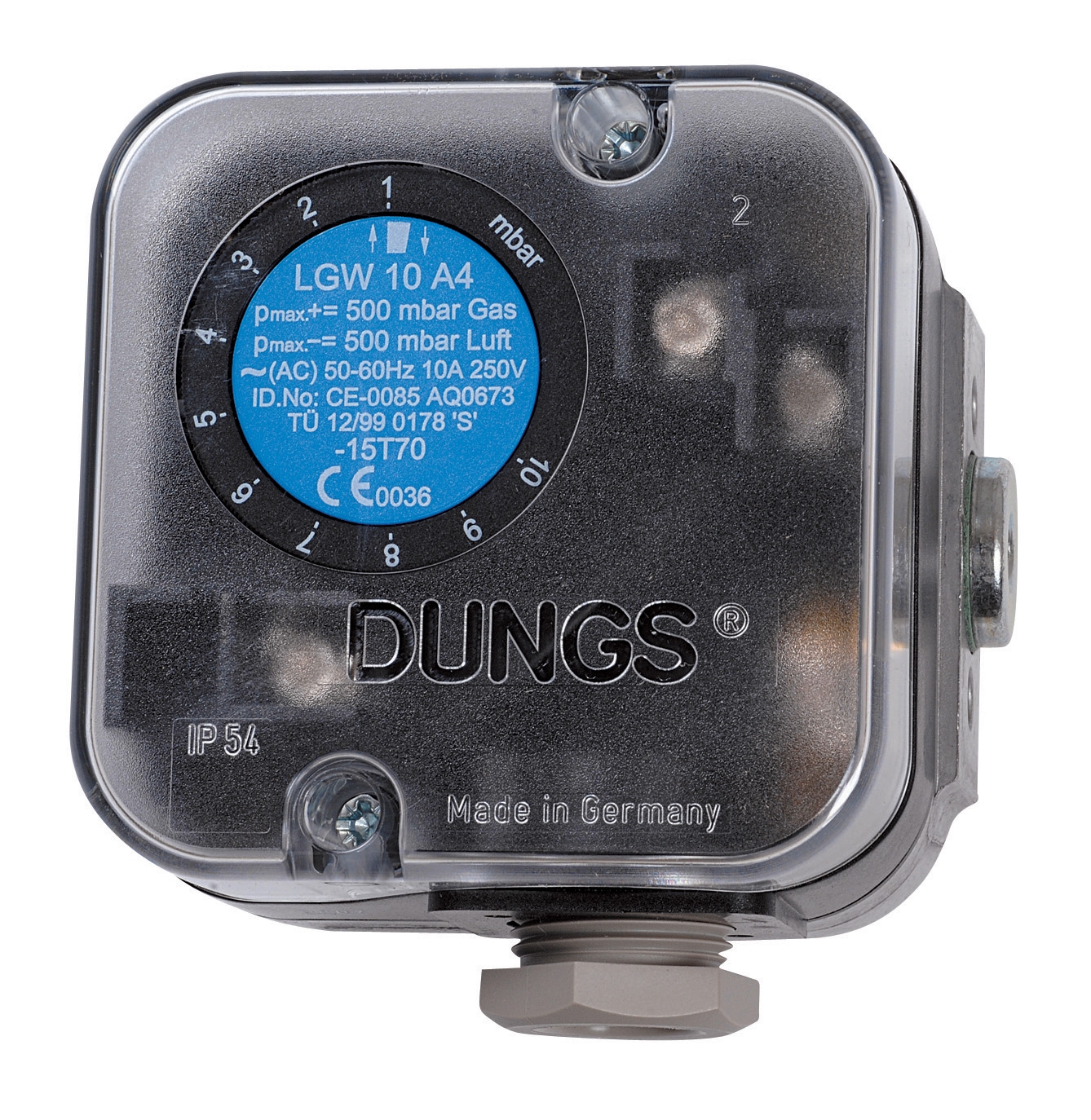
Table of Contentsexpand_more
What Is a Well Pump Pressure Switch?
A well pump pressure switch is an electromechanical device that automatically controls pump operation to maintain constant water pressure in a storage tank or distribution system. When pressure drops below a minimum setpoint, the switch closes an electrical contact to start the pump; when pressure reaches a maximum setpoint, the switch opens the contact to stop it. This on-off cycling prevents pressure fluctuations and reduces energy waste. In the Philippines, pressure switches are critical components in residential wells, agricultural irrigation systems, and industrial water distribution networks. Leading OEM suppliers include Dungs, Interpump, Pratissoli, and Preciman, all stocked by 3G Electric with 35+ years of experience serving the Philippine market.
How Pressure Switches Work
The internal mechanism uses a piston, diaphragm, or bellows exposed to system pressure. When pressure rises above the cut-out setpoint (typically 2.8 bar), a calibrated spring pushes back, opening electrical contacts and de-energizing the pump motor. When pressure drops below the cut-in setpoint (typically 1.4 bar), the spring allows contacts to close, re-energizing the motor. The differential pressure (difference between cut-in and cut-out) is typically 0.3–1.5 bar and determines cycle frequency. A narrower differential means more frequent switching; wider differentials reduce switch wear but increase pressure swing. Port connections (usually NPT or G-thread, DN20–DN32) attach directly to the pump discharge or pressure tank via a tee fitting. Pressure gauges are often installed in parallel to allow manual monitoring and setpoint verification.
Key Specifications & Selection Table
| Specification | Typical Range | Notes |
|---|---|---|
| Pressure Range | 0.4–10 bar | Select range covering your min/max operating pressures |
| Cut-In Setpoint | 1.2–2.0 bar | Pressure at which pump starts |
| Cut-Out Setpoint | 2.5–3.5 bar | Pressure at which pump stops |
| Differential Pressure | 0.3–1.5 bar | Automatically set by spring calibration |
| Port Connection | DN20, DN25, DN32 (G1/4, G3/8, G1/2) | Match pump discharge thread size |
| Electrical Rating | 24 VDC, 240 VAC | Verify motor voltage; 240 VAC common in PH grid |
| Max Flow Capacity | 15–100 l/min | Must exceed pump rated flow for reliable operation |
| Contact Rating | 10–30 A | Match motor inrush current (pump HP → A) |
Types & Applications in the Philippines
Piston-Type Switches: Direct-acting, rugged, suitable for high-flow agricultural systems (30–100 l/min). Common in coconut farm irrigation and fishpond aeration. Diaphragm Switches: Compact, sensitive to low pressures (0.4–3 bar), ideal for residential wells and small businesses. The [[PRODUCT:GAZ15022|Dungs Pressure switch LGW 3 A2 0.4-3 Mbar]] exemplifies this type—designed for precise control in low-pressure gas and water applications. Electronic Pressure Switches: Solid-state logic, adjustable via firmware, but less common in rural Philippines due to cost and power dependency. For industrial systems like those powered by [[PRODUCT:W00151-000|Interpump PUMP W151 (5.5 hp, 15 l/min, 150 bar)]], a robust mechanical switch with 1.5 bar differential and DN25 connection is standard.
How to Select the Right Pressure Switch
- Determine your pump's rated flow: Check the pump manual or nameplate. If using [[PRODUCT:W00151-000|Interpump W151]], flow is 15 l/min; the switch must handle ≥15 l/min at rated pressure without cavitation or chatter.
- Identify required pressure range: Most residential wells operate 1.4–2.8 bar; agricultural systems may need 2.0–4.0 bar. Select a switch rated for your full range plus 20 % safety margin.
- Check tank volume: Larger tanks (500+ l) allow wider differential (1.0–1.5 bar) and fewer pump cycles. Smaller tanks (50–200 l) suit narrower differentials (0.3–0.6 bar) to reduce pressure swing.
- Verify port size and thread type: Measure your pump discharge connection (typically G1/2 or NPT1/2, DN25). Incompatible threads cause leaks and pressure loss.
- Match electrical voltage: Philippine 240 VAC three-phase grid is standard for commercial; 240 VAC single-phase for residential. Confirm your motor controller accepts the switch voltage before ordering.
- Account for water quality: Hard water or sediment requires switches with large orifices (DN32) and filtration upstream to prevent stiction (sticking contacts).
Featured Pressure Switch & Compatible Pumps
| Model | Pressure Range | Port Size | Max Flow | Best For |
|---|---|---|---|---|
| [[PRODUCT:GAZ15022|Dungs LGW 3 A2]] | 0.4–3 mbar | G1/4 | 5 l/min | Low-pressure gas, small water systems |
| [[PRODUCT:W00151-000|Interpump W151]] + Switch | 1.4–2.8 bar | DN25 (G3/8) | 15 l/min | Residential wells, small farms |
| [[PRODUCT:KF0028-000|Pratissoli KF28]] + Switch | 2.0–4.0 bar | DN32 (G1/2) | 40–50 l/min | Larger agricultural systems |
Common Questions About Well Pump Pressure Switches
- Q: Can I adjust the setpoints on a mechanical pressure switch?
- Yes. Most mechanical switches have two adjustment screws: one for cut-out pressure and one for differential. Turn clockwise to increase pressure; counterclockwise to decrease. Always verify with a calibrated gauge (like the [[PRODUCT:ROS30004|Preciman Green ABS gauge, 0/+1 bar, ±2.5% accuracy]]) while adjusting. Improper adjustment can damage the pump or storage system.
- Q: What is the typical lifespan of a pressure switch in Philippines climate?
- In tropical environments with high humidity and sediment, expect 3–5 years of reliable service. Salt-spray coastal areas reduce lifespan to 2–3 years. Install a pressure tank isolation valve and drain sediment quarterly to extend switch life.
- Q: Where should I install the pressure switch on my well pump system?
- Mount on a tee fitting on the pump discharge line, downstream of any check valve and upstream of the storage tank. Install a pressure gauge (G1/2 connection) in parallel to the switch for manual monitoring. Protect the switch from direct sun and rain with a weatherproof enclosure in outdoor installations.
- Q: Which brands are reliable for Philippine installations?
- Dungs, Interpump, and Pratissoli are OEM-approved for industrial and agricultural use. 3G Electric stocks all three brands with full technical support, spare parts availability, and same-day shipping to Metro Manila and next-day to provincial areas (Cebu, Davao). Request a quote to confirm current inventory.
Why Source from 3G Electric
As an authorized distributor for Dungs, Interpump, Pratissoli, Preciman, Beck, and Delta, 3G Electric offers:
- 8+ pressure switch and pump models in stock, available for immediate delivery across the Philippines
- 35+ years of industrial equipment experience; senior technicians provide free sizing consultations via phone or WhatsApp
- Complete import documentation, warranty registration, and after-sales technical support in English
- Competitive pricing with volume discounts for contractors and agricultural cooperatives
- Partner logistics to Metro Manila, Cebu, and Davao with insured shipping
Key Takeaways
- A pressure switch is essential for automatic, efficient well pump operation—preventing pressure spikes and reducing energy consumption by 20–30 %.
- Select a switch matching your pump flow rate (l/min), desired pressure range (bar), and port thread size (DN or NPT) to avoid leaks and chatter.
- OEM brands like Dungs LGW and Interpump switches offer proven reliability in Philippine agricultural and residential wells, backed by 3G Electric's technical support.
- Proper installation with a pressure gauge, check valve, and isolation valve extends switch lifespan and simplifies troubleshooting.
- Budget ₱3,500–₱8,000 for a quality pressure switch (OEM brand) plus installation; DIY installation is feasible for straightforward tee-fitting setups.
Ready to upgrade your well pump system? Contact 3G Electric today for a free pressure switch sizing assessment, in-stock model quotes, and technical support. Call our Manila office or email your pump specs and we'll respond within 2 hours with a customized recommendation. Serving the Philippines since 1989.