Pump Pressure Switch Buyer's Guide: Selection, Specs & Philippine Sources
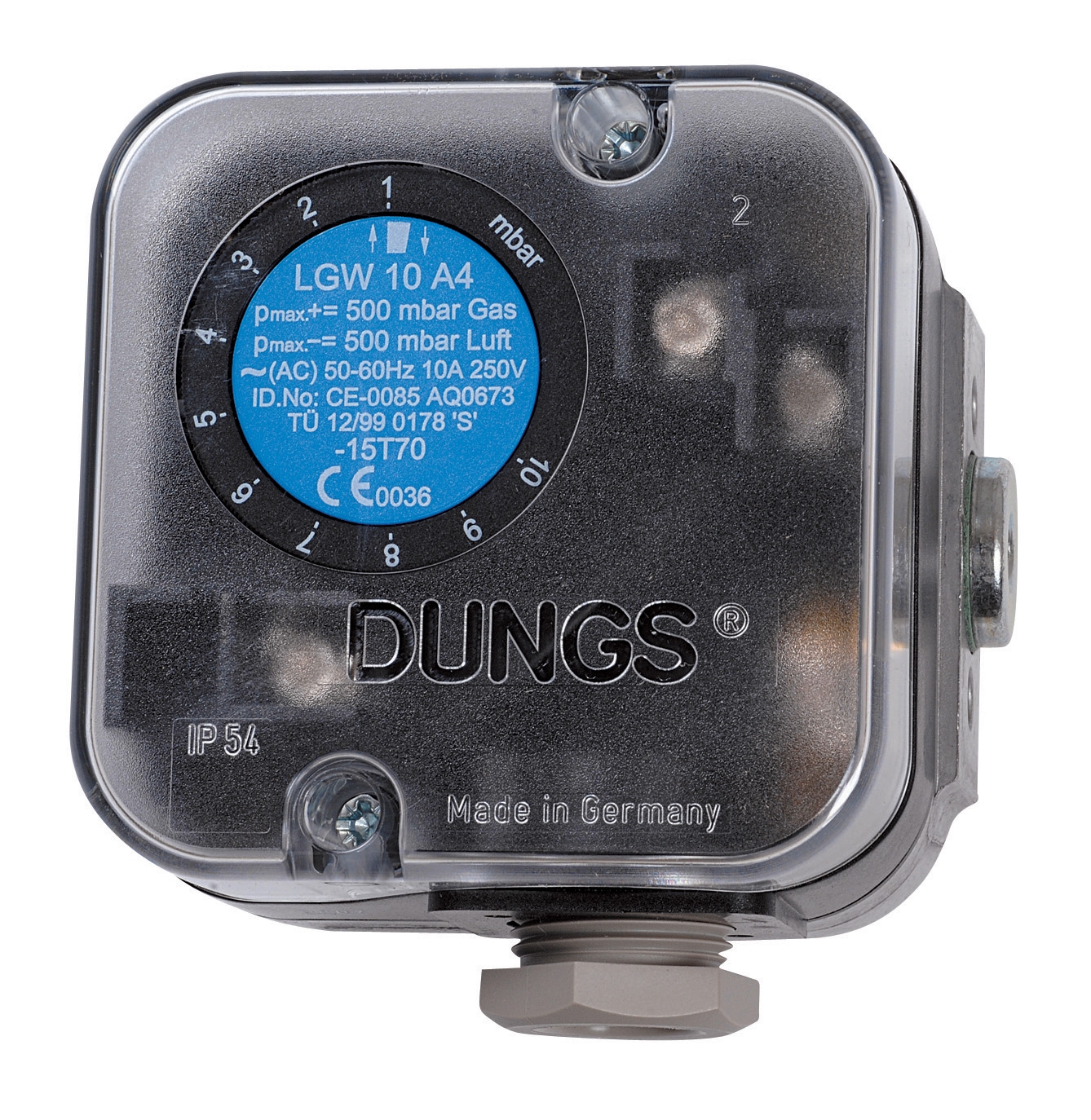
Table of Contentsexpand_more
What Is a Pump Pressure Switch?
A pump pressure switch is an electromechanical or electronic control device that monitors system pressure and automatically engages or disengages a pump based on preset pressure thresholds. In the Philippines' industrial sector, these switches are critical components in municipal water supply systems, agricultural irrigation networks, manufacturing cooling loops, and oil distribution circuits. Brands like Dungs, Interpump, Pratissoli, and Preciman dominate the regional market. 3G Electric, an authorized distributor with 35+ years of experience, stocks eight related products to support pump automation across Manila, Cebu, Davao, and provincial areas with full import documentation and English technical support.
How Pump Pressure Switches Work
Pressure switches operate via a diaphragm or piston mechanism that deflects when system pressure rises. When pressure exceeds the lower setpoint (cut-in), an internal electrical contact closes, triggering a relay or motor starter that activates the pump. As pressure builds, the switch eventually reaches its upper setpoint (cut-out) and opens the contact, stopping the pump. This cycle repeats automatically, maintaining pressure within a target band. Differential pressure switches—such as the [[PRODUCT:GAZ15022|Dungs LGW 3 A2]]—are optimized for low-pressure gas regulation (0.4–3 mbar), while others handle high-pressure hydraulic or water applications. Electronic variants offer remote monitoring and fine-tuned adjustments, ideal for critical industrial processes where pressure stability is non-negotiable.
Pressure Switch Specifications & Selection Table
| Specification | Low-Pressure (Gas) | Medium-Pressure (Water/Oil) | High-Pressure (Hydraulic) |
|---|---|---|---|
| Pressure Range | 0.4–3 mbar | 0–10 bar | 10–350 bar |
| Typical Electrical Rating | 24 VDC, 230 VAC | 230 VAC, 380 VAC | 230–380 VAC |
| Connection Type | M20 or G1/2 | G1/2, G3/4, DN15 | DN20, DN25, SAE flange |
| Fluid Compatibility | Natural gas, LPG | Water, coolant, light oil | Mineral oil, synthetic fluid |
| Typical Brands (PH) | Dungs, Cofi | Interpump, Preciman | Interpump, Suntec |
Types & Industrial Applications in the Philippines
- Differential Pressure Switches (Gas Regulation): Used in LPG and natural gas boiler systems, HVAC units, and industrial burners. The [[PRODUCT:GAZ15022|Dungs LGW 3 A2 0.4–3 mbar switch]] is a leading choice for Philippine gas appliances.
- Water Pressure Switches (0–10 bar): Control submersible or centrifugal pumps in municipal water distribution, agricultural irrigation, and building pressure tanks. Work seamlessly with [[PRODUCT:W00151-000|Interpump W151 industrial pumps]] (15 L/min, 5.5 hp).
- Hydraulic Pressure Switches (50–350 bar): Monitor hydraulic presses, excavators, and manufacturing equipment. Require robust diaphragm seals and high electrical ratings.
- Oil/Fuel System Switches: Detect pressure loss in burner oil supply lines, triggering ignition shutdown for safety. Critical in hospital, hotel, and industrial boiler operations.
- Dual-Setpoint Switches: Enable precise pressure band control, reducing pump cycling and extending motor life in variable-demand systems.
How to Select the Right Pressure Switch
- Determine System Pressure Range: Identify the minimum and maximum operating pressures your pump will encounter. A 0–10 bar switch cannot safely handle a 50 bar hydraulic system.
- Verify Electrical Requirements: Check your facility's available supply: 24 VDC, 230 VAC, or 380 VAC (three-phase). Ensure the switch contact rating matches your motor starter amperage.
- Choose the Connection Type: Confirm thread size (G1/2, G3/4, DN15, DN20) or flange compatibility. Mismatched fittings cause leaks and safety hazards.
- Check Fluid Compatibility: Water, mineral oil, and gas applications require different internal seal materials. Using the wrong switch can cause rapid seal degradation.
- Account for Installation Environment: Outdoor agricultural systems need IP65-rated (dust/water sealed) enclosures. Corrosive chemical environments require stainless-steel wetted parts.
- Define Setpoint Needs: Fixed setpoint switches are lower-cost; adjustable models (like many Interpump and Dungs variants) allow field tuning for changing operational demands.
Product Comparison: Pressure Switches & Gauges in Stock
| Product | Type | Pressure Range | Connection | Electrical Rating | Best For |
|---|---|---|---|---|---|
| [[PRODUCT:GAZ15022|Dungs LGW 3 A2]] | Differential Pressure Switch | 0.4–3 mbar | M20 × 1.5 | 24 VDC, 230 VAC | Gas boiler/burner systems, HVAC regulation |
| [[PRODUCT:ROS30004|Preciman Green ABS Gauge D100]] | Analog Pressure Gauge | 0–1 bar | G1/2 | — | Low-pressure monitoring, water supply tanks |
| [[PRODUCT:W00151-000|Interpump W151 Pump]] | Centrifugal Pump (requires external switch) | 150 bar rated | Flange inlet/outlet | 380 VAC, 5.5 hp | Industrial water circulation, 15 L/min flow |
| [[PRODUCT:KF0028-000|Pratissoli KF28 R Pump]] | Axial Piston Pump (high-pressure) | 280 bar rated | SAE flange | 380 VAC motor | Hydraulic systems, presses, agricultural machinery |
Why Buy from 3G Electric?
3G Electric is an authorized distributor for Dungs, Interpump, Pratissoli, Preciman, Fantini Cosmi, and Beck. We hold eight related products in stock—from differential pressure switches to industrial pumps—ready for delivery to Manila, Cebu, Davao, and provincial areas with complete import documentation and 24/7 English technical support. Our 35+ years of regional experience means we understand Philippine industrial requirements: high humidity, tropical salt-air corrosion, and load-shedding resilience. We provide free sizing assistance, pressure switch calibration verification, and installation troubleshooting at no charge.
Frequently Asked Questions
- What is the difference between a pressure switch and a pressure gauge?
- A gauge displays system pressure numerically; a switch automatically triggers electrical contacts at preset thresholds to control a motor or valve. Gauges are passive (monitoring only), while switches are active (controlling). Many systems use both together: the [[PRODUCT:ROS30004|Preciman gauge]] provides visual feedback while a hidden switch automates pump cycling.
- Can I use a low-pressure switch (0.4–3 mbar) on a water system (0–10 bar)?
- No. A low-pressure switch will reach its maximum setpoint instantly and fail to regulate correctly. Always match the switch pressure range to your system. The [[PRODUCT:GAZ15022|Dungs LGW 3 A2]] is rated for gas only; water systems require 0–10 bar or 0–16 bar switches.
- How often should pump pressure switches be serviced?
- Annual inspection is recommended in tropical climates like the Philippines. Check for corrosion on electrical terminals, listen for sluggish clicking when pressure rises, and verify setpoints with a test gauge. Replace switches showing no electrical response or delayed contact closure.
- Where should I mount a pressure switch on my pump system?
- Mount horizontally (side-inlet) on a rigid pipe section 30 cm downstream of the pump discharge valve, away from pump vibration. Avoid mounting directly on pump outlets (vibration shortens switch life) or in vertical positions unless the manufacturer specifies otherwise.
Key Takeaways
- Pressure switches automate pump start/stop cycles, protecting systems from overpressure and reducing energy consumption across Philippine industrial operations.
- Selection requires matching pressure range (0.4 mbar to 350+ bar), electrical supply (24 VDC or 230/380 VAC), and connection type (G1/2, DN, or flange) to your specific application.
- 3G Electric stocks Dungs, Interpump, Pratissoli, and Preciman products with technical support, calibration verification, and nationwide delivery.
Get Your Pressure Switch Quote Today
Contact 3G Electric for pricing, sizing calculations, and installation guidance on pump pressure switches. Call our Manila office, email your specifications, or visit our showroom in Cebu or Davao. We provide pressure switch recommendations tailored to your pump model, facility pressure rating, and climate conditions—with delivery and documentation support across the entire Philippines.