Types of Pumps in the Philippines: A Comprehensive Buyer's Guide for Industrial & Commercial Applications
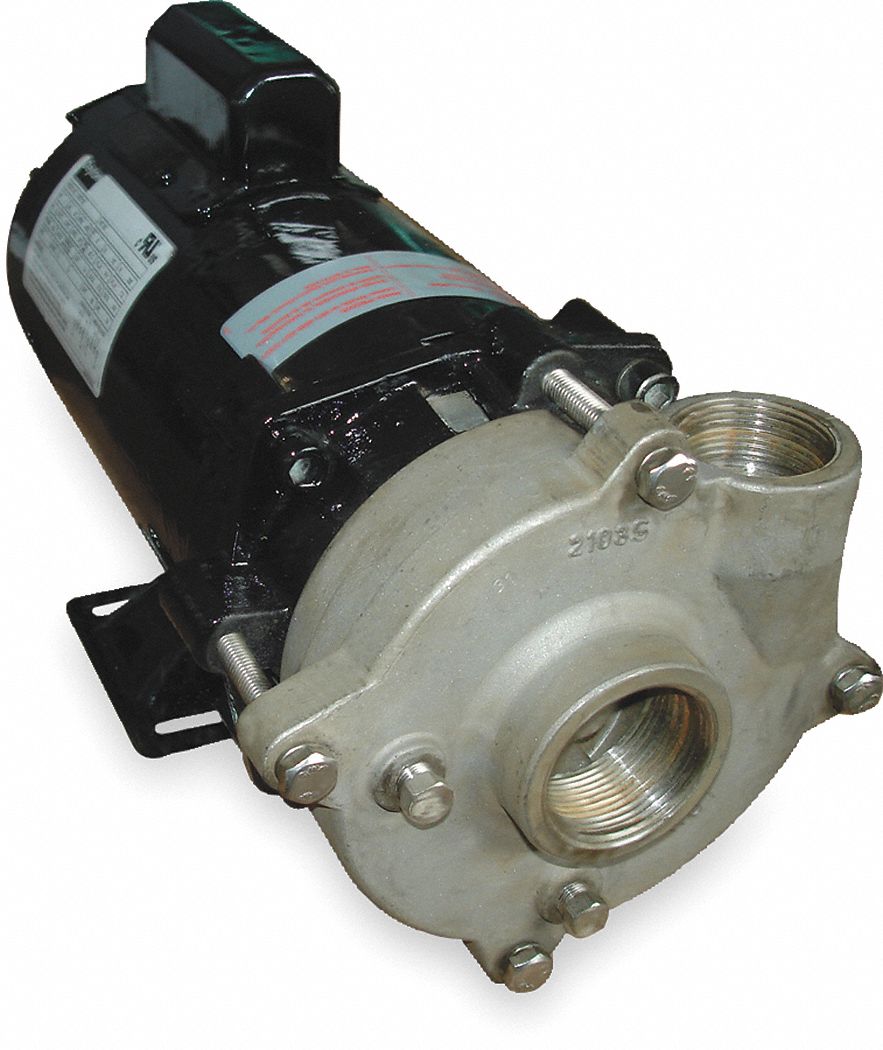
Table of Contentsexpand_more
Introduction
Selecting the right pump for your industrial or commercial operation in the Philippines can mean the difference between efficient fluid handling and costly downtime. Pumps are the heart of countless systems – from water supply and irrigation to HVAC circulation, chemical processing, and dewatering. At 3G Electric, we supply genuine pumps from leading OEMs such as GOULDS WATER TECHNOLOGY, Dayton, AMERICAN STAINLESS PUMPS, and STA-RITE, backed by 35+ years of technical expertise. This guide explains the main types of pumps, their working principles, and how to choose the best one for your application.
How Pumps Work: Key Concepts
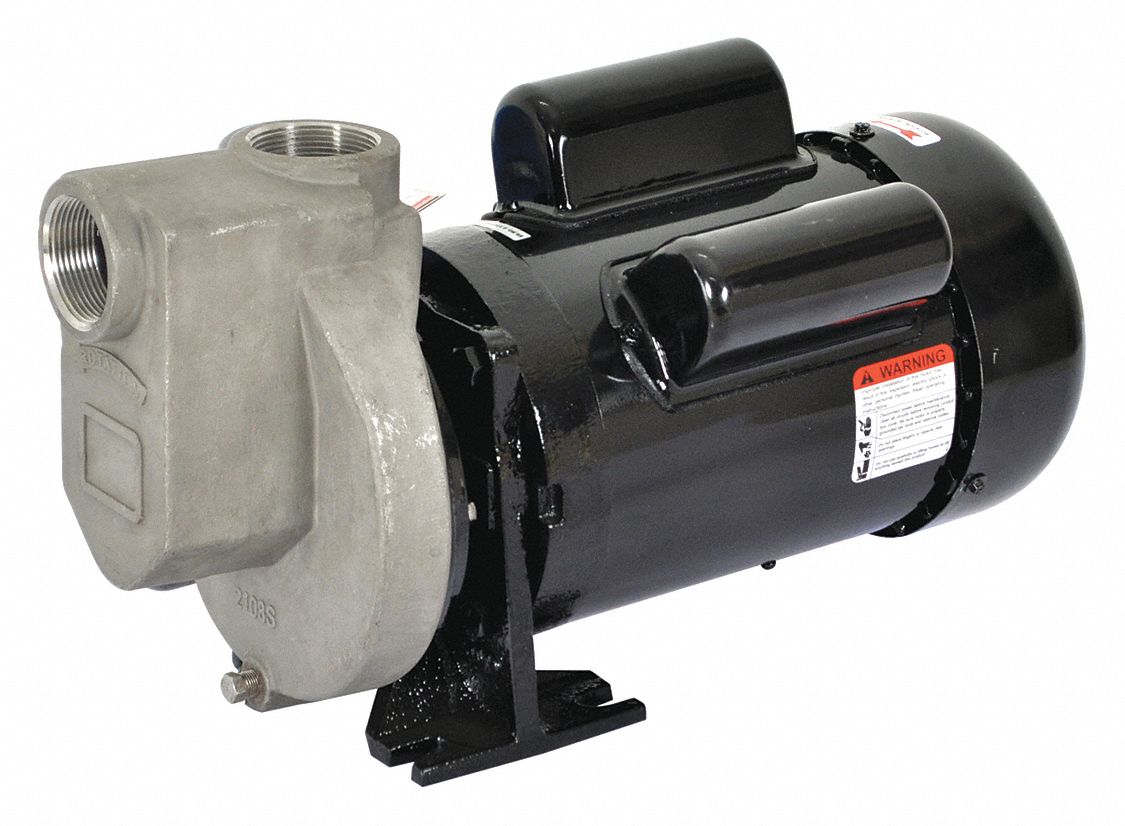
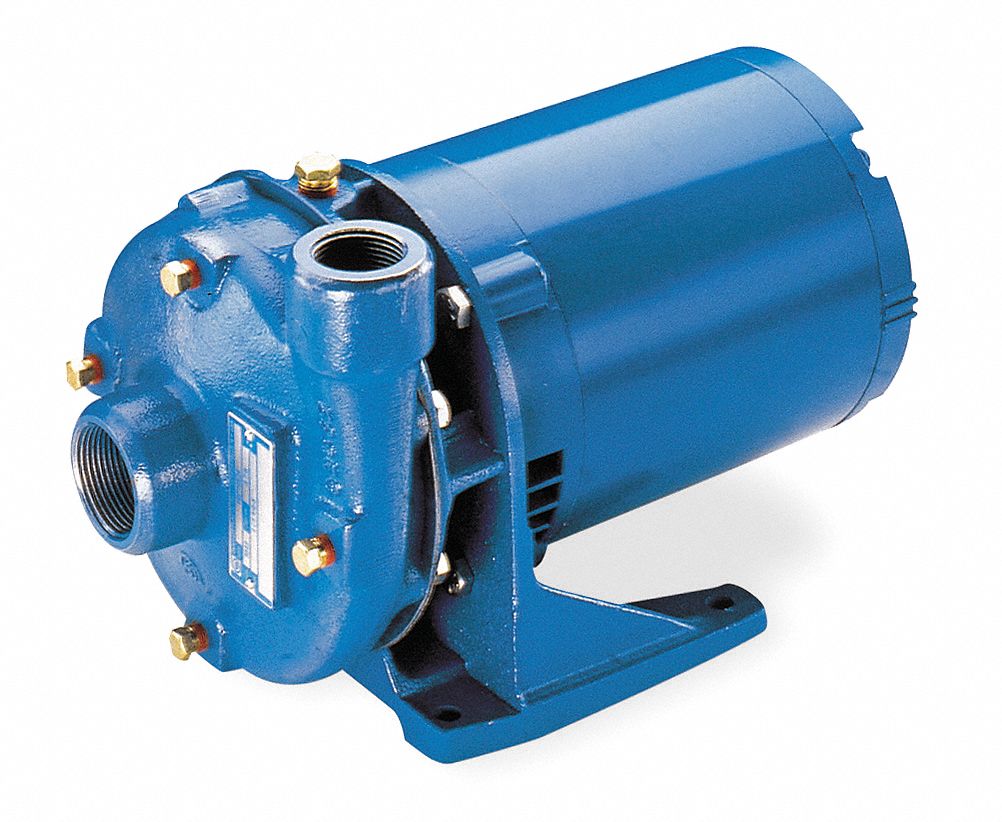
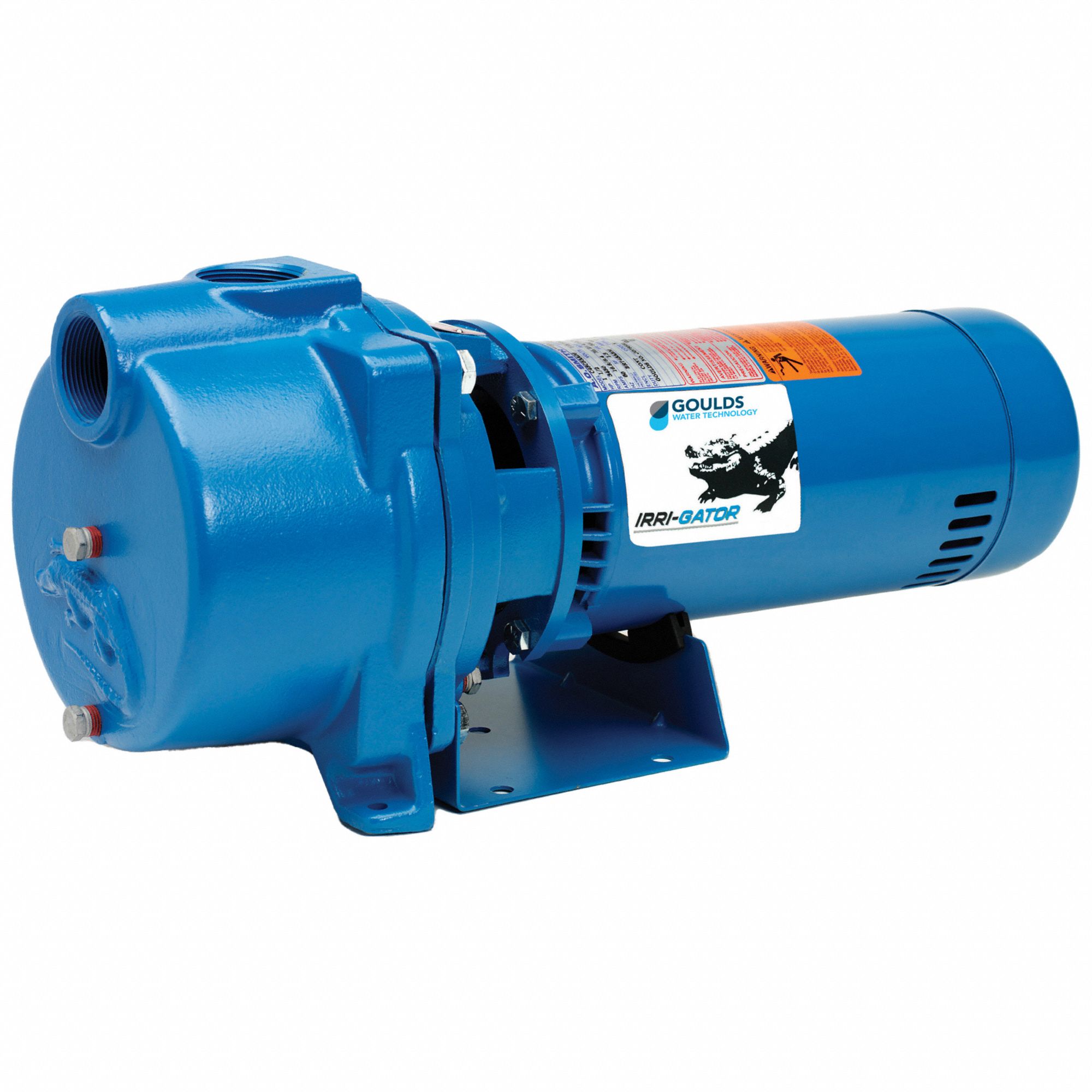
All pumps move fluid by creating a pressure difference. In a centrifugal pump, an impeller rotating at high speed accelerates liquid outward into a volute casing, converting velocity energy into pressure. The two most common sub-types for industrial use are:
- Straight centrifugal pumps – require a flooded suction (liquid level above the impeller). Ideal for high-flow, low-to-medium head applications like water circulation.
- Self-priming centrifugal pumps – can evacuate air from the suction line automatically, making them suitable for intermittent use or where the liquid source is below the pump.
Other pump types include positive-displacement pumps (diaphragm, gear, peristaltic) that trap a fixed volume of fluid and force it into the discharge pipe. These are better for viscous fluids, high-pressure, or precise dosing.
Key Specifications at a Glance
| Specification | Straight Centrifugal | Self‑Priming Centrifugal |
|---|---|---|
| Motor Power | 1 HP – 1½ HP | 1½ HP – 3 HP |
| Voltage | 115/230V AC, 208–230/460V AC | 115/230V AC, 230/460V AC |
| Max Head | 50 ft – 123 ft | 50 ft |
| Intake Connection | 1¼ in – 1½ in NPT | 1½ in NPT |
| Discharge Connection | 1 in – 1¼ in NPT | 1½ in NPT |
| Motor Enclosure | TEFC or ODP | TEFC |
Types of Pumps & Their Applications in the Philippines
Beyond centrifugal pumps, several other types serve niche needs in Philippine industry:
- Diaphragm Pumps – Air-operated or electric, ideal for chemical transfer, sludge pumping, and dewatering where solids are present.
- Gear Pumps – Used for hydraulic systems, lubrication, and high‑viscosity fluids like oils and resins.
- Peristaltic (Hose) Pumps – Excellent for shear‑sensitive fluids, abrasive slurries, and metering applications due to their gentle pumping action.
- Submersible Pumps – Designed to operate submerged; common for well water, sewage, and flood control.
However, centrifugal pumps remain the workhorses of most commercial and industrial settings in the Philippines – from plant water circulation and irrigation to HVAC cooling towers and wash‑down systems.
Selection Criteria: How to Choose the Right Pump
- Determine flow rate and head – Calculate the required flow (GPM or L/min) and the total dynamic head (ft or m) including friction losses. Choose a pump whose performance curve covers your duty point.
- Check fluid properties – Temperature, viscosity, corrosiveness, and solids content affect material selection. Clean water requires simple cast‑iron or stainless steel; aggressive chemicals may need specialty alloys or elastomers.
- Match power supply – Verify voltage (115V, 230V, 460V) and phase (single or three‑phase) available at your site. Motor enclosure (TEFC for dusty environments, ODP for clean areas) is critical in the Philippines' warm climate.
- Evaluate installation constraints – Is the pump above or below the liquid source? A self‑priming pump avoids the need for a foot valve and flooded suction. For continuous operation, a straight centrifugal pump with adequate NPSH is preferred.
- Consider maintenance and spare parts – Choose brands with local support and readily available seals, bearings, and impellers. 3G Electric stocks replacement parts for GOULDS WATER TECHNOLOGY and Dayton pumps.
According to GOULDS WATER TECHNOLOGY's Pump Selection Guide (2023): "Proper pump selection requires matching the system curve to the pump performance curve for optimal efficiency and longevity."
Product Comparison: Popular Centrifugal Pumps
| Model | HP | Voltage | Max Head | Intake / Discharge | Enclosure |
|---|---|---|---|---|---|
| GOULDS WATER TECHNOLOGY 1 HP Straight Centrifugal Pump | 1 HP | 115/230V AC | 113 ft | 1¼ in / 1 in | TEFC |
| Dayton 1½ HP Straight Centrifugal Pump | 1½ HP | 230/460V AC | 110 ft | 1½ in / 1¼ in | ODP |
| GOULDS WATER TECHNOLOGY 1 HP Centrifugal Pump (60 ft) | 1 HP | 208–230/460V AC | 60 ft | 1½ in / 1¼ in | TEFC |
| Dayton 1 HP Straight Centrifugal Pump (50 ft) | 1 HP | 115/230V AC | 50 ft | 1½ in / 1¼ in | ODP |
| Dayton 1½–3 HP Self‑Priming Centrifugal Pump | 1½–3 HP | 230/460V AC | 50 ft | 1½ in / 1½ in | TEFC |
Why Source Pumps from 3G Electric?
With over 115 pump products in stock and decades of experience across 14 industrial departments, 3G Electric is your trusted partner in the Philippines. We supply genuine OEM parts from GOULDS WATER TECHNOLOGY, Dayton, STA‑RITE, and other top brands. Our team offers technical support for pump sizing, selection, and troubleshooting – ensuring you get the right equipment for your budget and application. Plus, we deliver nationwide.
Frequently Asked Questions
Q: What type of pump is best for irrigation in the Philippines?
A: Centrifugal pumps – especially self‑priming models – are ideal for irrigation because they handle intermittent use and can draw water from ponds or tanks. Choose a pump with 1‑2 HP and a total head matching your system.
Q: How do I know if I need a self‑priming pump?
A: Self‑priming pumps are needed when the liquid source is below the pump (e.g., pumping from a well or storage tank without a foot valve). If you have a flooded suction, a standard straight centrifugal pump is more efficient.
Q: Can I use a pump for both water transfer and chemical dosing?
A: For clean water, centrifugal pumps work well. For chemicals or viscous fluids, positive‑displacement pumps (diaphragm or peristaltic) are preferred. Check wetted materials compatibility.
Q: Where can I buy pumps in the Philippines?
A: 3G Electric supplies pumps from major brands with nationwide shipping. Visit our product pages or contact our technical sales team for a quote and sizing assistance.
Q: What does TEFC mean on a pump motor?
A: TEFC (Totally Enclosed Fan Cooled) motors are sealed against dust and moisture, making them suitable for outdoor or dusty industrial environments common in the Philippines.
Key Takeaways
- Centrifugal pumps dominate most commercial/industrial fluid handling – choose straight for continuous flow, self‑priming for lift applications.
- Always match pump capacity (head & flow) to your system curve; oversizing wastes energy, undersizing causes poor performance.
- Motor enclosure and power supply are critical in the Philippines' tropical climate – TEFC motors are recommended for dusty areas.
- 3G Electric stocks 115+ pump products from Goulds, Dayton, and more, with technical support to help you select the right unit.
- Contact us for expert advice, competitive pricing, and fast delivery across the Philippines.
Ready to choose the right pump? Reach out to 3G Electric for a free consultation, product quote, or technical support. Our team is ready to help you maximize uptime and efficiency.