Primer Pump Buyer's Guide for Philippine Industry | 3G Electric
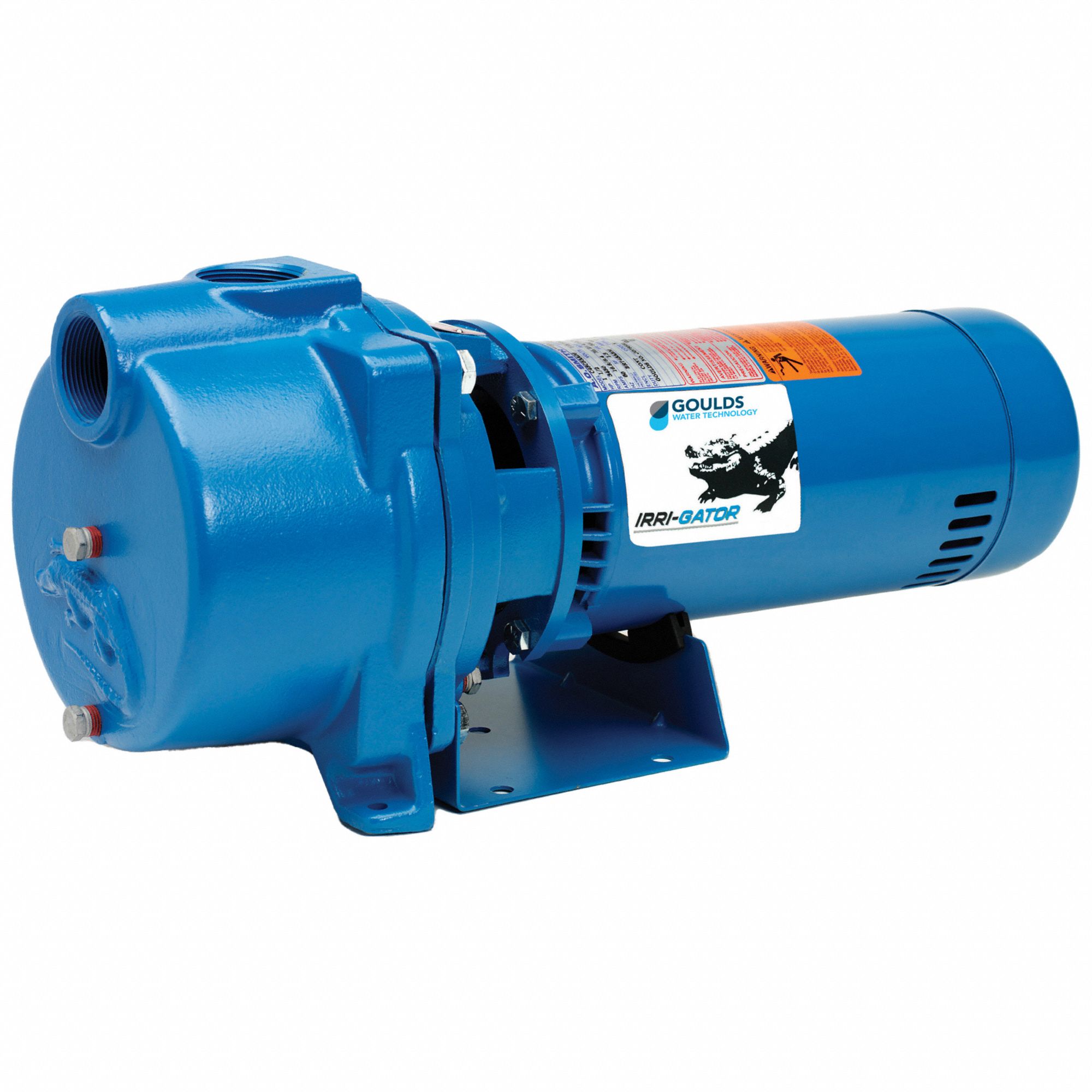
Table of Contentsexpand_more
Primer Pump Buyer's Guide for Philippine Industry
In the Philippines, where water supply can be intermittent and irrigation is essential, a primer pump is the workhorse that gets water moving quickly without the hassle of manual priming. Also known as a self-priming centrifugal pump, it uses a recirculation chamber to evacuate air from the suction line and draw water up from wells, ponds, lakes, or storage tanks. Whether you're in agribusiness in Mindanao, a manufacturing plant in Laguna, or a commercial building in Metro Manila, choosing the right primer pump affects uptime and operating cost. 3G Electric has over 35 years of experience supplying industrial equipment and pumps across the Philippines, with genuine brands like GOULDS WATER TECHNOLOGY, Dayton, and AMERICAN STAINLESS PUMPS in stock for fast delivery.
How a Primer Pump Works
A primer pump differs from a standard straight centrifugal pump because it can handle air mixed with water during startup. When the pump is first turned on, the impeller spins and creates a vortex that mixes air with water. This mixture is recirculated through an internal separator chamber, where air is released and water falls back to the impeller. This process creates a vacuum that lifts water up the suction line. Once the pump is fully primed, it operates like a normal centrifugal pump. Because the pump body itself holds water after the first fill, subsequent startups are automatic—no manual water filling or foot valve is required. The maximum practical suction lift for most primer pumps is about 20 ft to 25 ft (6 m to 7.6 m) at sea level; in higher-altitude areas like Baguio, that lift capacity decreases.
Key Specifications to Compare
When evaluating a primer pump, focus on motor power, maximum head (pressure), flow rate, connection sizes, and motor enclosure type. The table below shows typical ranges for commercial and industrial primer pumps available from 3G Electric.
| Specification | Common Range | Why It Matters |
|---|---|---|
| Motor Power | 1 HP to 3 HP | Determines how much water you can move per hour; larger HP handles higher flow and pressure. |
| Voltage | 115/230 VAC or 208-230/460 VAC | Must match your existing electrical supply; three-phase models are common for larger industrial use. |
| Max Head | 63 ft to 119 ft | Directly relates to the pressure available at the discharge; choose based on your piping vertical height and friction losses. |
| Intake / Discharge | 1-1/4 in to 2 in | Larger ports allow higher flow rates with less friction loss. |
| Motor Enclosure | ODP or TEFC | TEFC protects against dust and moisture; better for dusty agricultural environments or outdoor installation. |
| Suction Lift | 20 ft to 25 ft (6 m to 7.6 m) | The maximum vertical distance between the pump and water source. |
Types of Primer Pumps and Typical Philippine Applications
There are three common configurations you'll encounter when shopping for a primer pump:
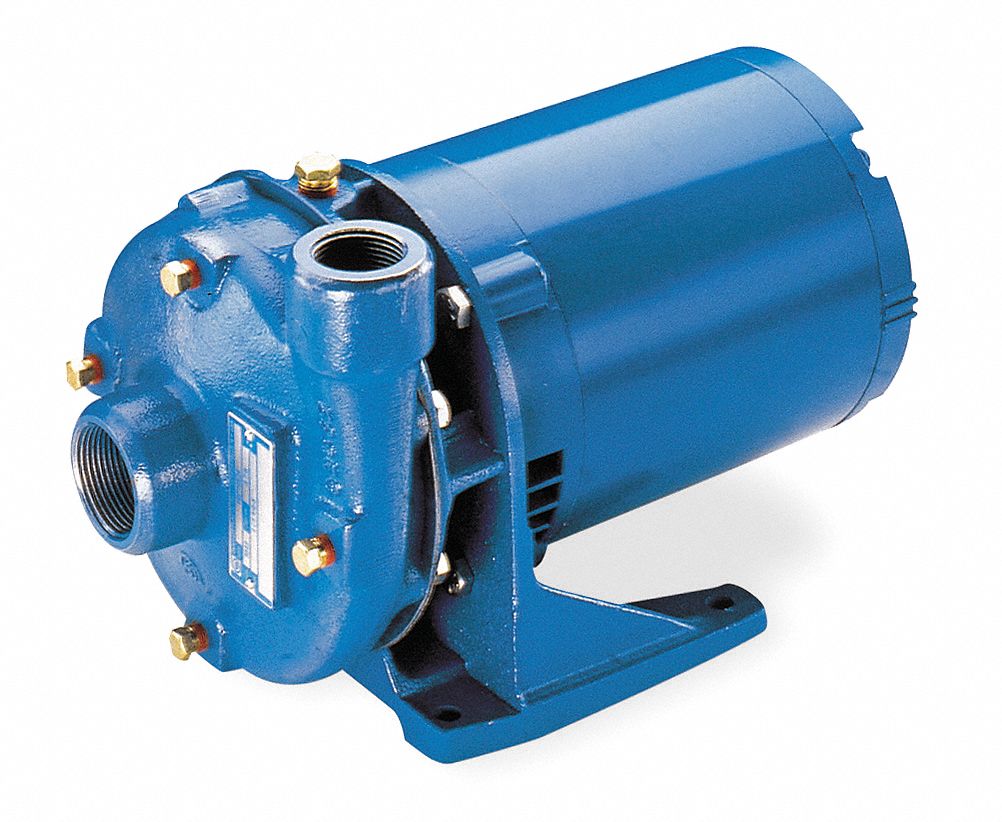
- Straight centrifugal pumps – require manual priming or a foot valve; best for flooded-suction applications like boosting water from a storage tank. Examples: Goulds 1 HP Straight Centrifugal Pump and Dayton 1 HP Centrifugal Pump.
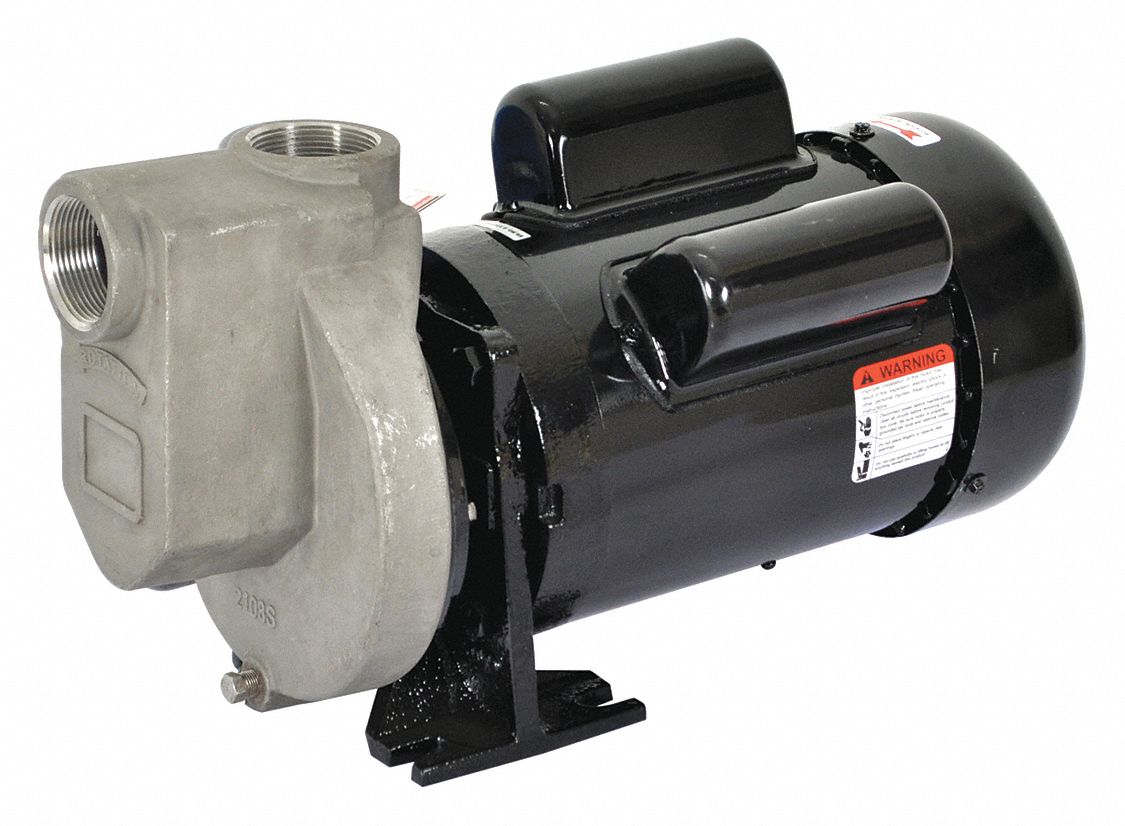
- Self-priming centrifugal pumps – the true "primer pump" you can install above the water source and start without a foot valve. Common in irrigation, dewatering, and process water transfer. Examples: Goulds 1-1/2 to 3 HP Self-Priming Pump and Dayton 1-1/2 to 3 HP Self-Priming Pump.
- Self-priming sprinkler pumps – built for sprinkler irrigation systems drawing from a lake, pond, or well; offer higher shut-off pressure. Example: Goulds GT203 Sprinkler Pump.
In the Philippines, self-priming pumps are widely used for agricultural irrigation, construction dewatering, water transfer in barangay water districts, and cooling water circulation in industrial facilities.
Selection Criteria: How to Choose the Right Primer Pump
Selecting a suitable primer pump is straightforward if you follow these steps:
- Measure the total suction lift – the vertical distance from the water surface to the pump centerline. If it exceeds the pump's rated suction lift (typically 20 ft to 25 ft), you need a submersible pump or a larger pump with a deeper priming capability.
- Calculate total dynamic head (TDH) – add vertical discharge height, friction losses from piping, and any pressure required at the outlet. Choose a pump whose maximum head at your desired flow rate is at least 10% above your TDH.
- Determine the required flow rate – for irrigation, consider hectares to be watered; for dewatering, estimate incoming water volume. Compare flow performance curves, not just maximum head.
- Check the power supply – confirm whether single-phase 115/230 VAC or three-phase 208-230/460 VAC is available. For large pumps (3 HP and above), three-phase is preferred for efficiency and lower starting current.
- Choose the motor enclosure – for dusty or outdoor environments like farmlands in Central Luzon, select a TEFC (totally enclosed fan-cooled) motor. For clean indoor locations, ODP (open drip-proof) is acceptable.
- Verify construction material – for clean water, cast iron with bronze or stainless steel impeller is standard; for brackish or corrosive water, select all-stainless steel options like those from AMERICAN STAINLESS PUMPS.
Primer Pump Comparison: Top Models in Stock
3G Electric carries a range of genuine primer pumps. The table below compares popular models available for immediate delivery in the Philippines.
| Model | Motor Power | Voltage | Max Head | Ports | Enclosure |
|---|---|---|---|---|---|
| Goulds 30SPH70 Self-Priming Pump | 1.5 HP to 3 HP | 208-230/460 VAC | 115.5 ft | 2 in intake / 2 in discharge | ODP |
| Dayton Self-Priming Pump | 1.5 HP to 3 HP | 230/460 VAC | 63 ft | 1.5 in compatible | TEFC |
| Goulds GT203 Sprinkler Pump | 2 HP | 208-230/460 VAC | Shut-off 55 psi | 2 in intake / 2 in discharge | ODP |
| Goulds 1 HP Straight Centrifugal Pump | 1 HP | 115/230 VAC | 113 ft | 1.25 in intake / 1 in discharge | TEFC |
Why Source Your Primer Pump from 3G Electric
3G Electric is a trusted Philippine industrial supplier with 124 pumps and related products in stock across 14 industrial departments. Our team interprets your demand—whether you need a small 1 HP primer pump for a fish pond or a 3 HP self-priming pump for a sugarcane farm—and provides the right product, technical support, and competitive pricing. We supply genuine GOULDS WATER TECHNOLOGY, Dayton, AMERICAN STAINLESS PUMPS, FLINT & WALLING, and STA-RITE pumps, and we deliver anywhere in the Philippines. We don't just sell pumps; we help you size, install, and maintain them for years of reliable operation.
Frequently Asked Questions
Q: What is the difference between a primer pump and a regular centrifugal pump?
A: A primer pump (self-priming centrifugal pump) can clear air from the suction line automatically and operate above the water source. A regular straight centrifugal pump must be manually primed or have a flooded suction with a foot valve to avoid running dry.
Q: How high can a primer pump lift water?
A: Most primer pumps can lift water up to 20–25 feet (6–7.6 meters) at sea level. At higher altitudes or with viscous liquids, this value decreases. Always check the pump's rated suction lift on the datasheet.
Q: Where can I buy a primer pump in the Philippines?
A: 3G Electric supplies genuine primer pumps from brands like Goulds, Dayton, and American Stainless Pumps. You can request a quote online or via our sales team, and we deliver to all regions of the Philippines.
Q: Can I use a primer pump for irrigation from a river or pond?
A: Yes, self-priming pumps are ideal for drawing water from rivers, ponds, or shallow wells for sprinkler and drip irrigation. Choose a model with a 2-inch intake and a TEFC motor for dusty field conditions.
Q: Is a foot valve required with a primer pump?
A: No. The self-priming mechanism holds water in the pump body, so a foot valve is not required. This reduces maintenance and avoids priming problems caused by leaking foot valves.
Q: What horsepower primer pump do I need for a 1-hectare rice field?
A: For typical flood irrigation of 1 hectare, a 3 HP self-priming pump with a 2-inch discharge delivering around 100 GPM (378 L/min) is usually sufficient. Actual size depends on your water source distance and pumping elevation.
Key Takeaways
- A primer pump eliminates manual priming, saving time and preventing dry-run damage.
- Match HP, head, voltage, and suction lift to your specific Philippine application.
- Self-priming centrifugal pumps are ideal for irrigation, dewatering, and water transfer.
- TEFC motors are recommended for dusty outdoor environments.
- 3G Electric stocks genuine Goulds, Dayton, and American Stainless Pumps with technical support and nationwide delivery.
Get a Quote for Your Primer Pump Today
Stop guessing—let 3G Electric help you select the right primer pump for your project. Contact our technical sales team for a quotation, sizing assistance, or support on your existing pump system. We deliver across the Philippines with genuine OEM products and competitive pricing.