Priming Pump Buyer's Guide in the Philippines | Sizing & Selection
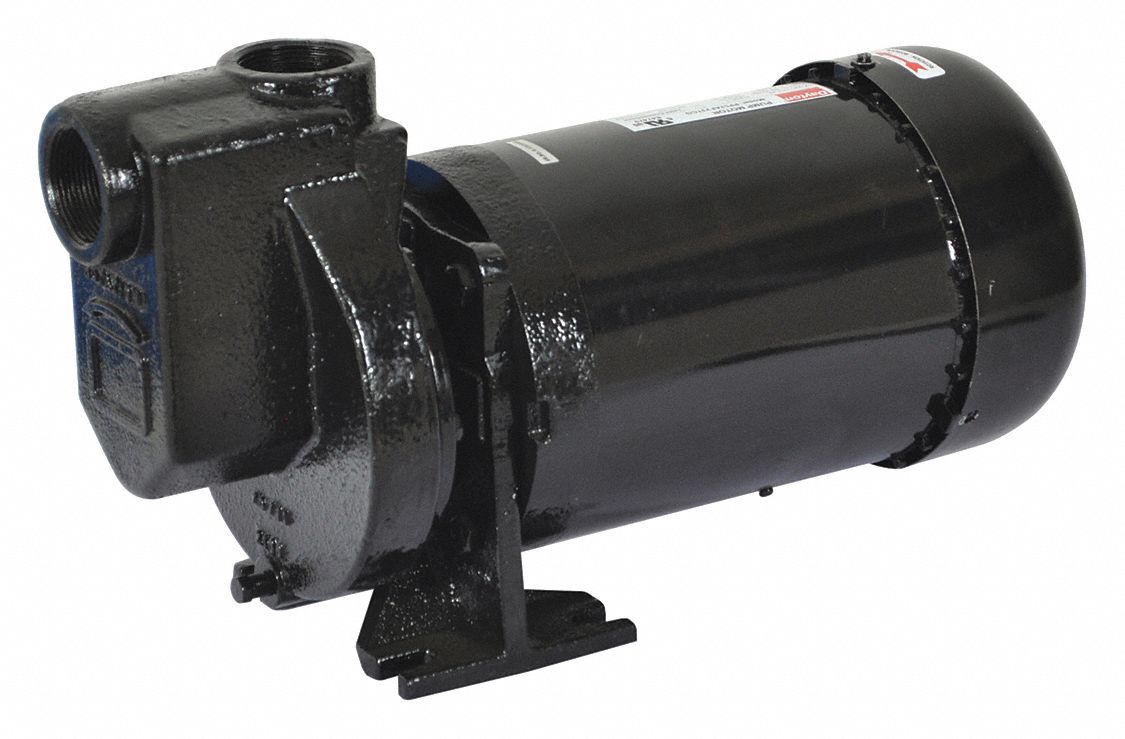
Table of Contentsexpand_more
Priming Pump Buyer's Guide for the Philippines
If you're searching for a priming pump in the Philippines, you're likely dealing with a water supply or irrigation challenge where the pump sits above the water source. A priming pump — also known as a self-priming centrifugal pump — is designed to evacuate air from the suction line automatically, making it ideal for pumping from ponds, tanks, wells, and waterways. At 3G Electric, we stock leading brands including Dayton, GOULDS WATER TECHNOLOGY, and FLINT & WALLING, and we bring over 35 years of industrial supply experience to help you select the right pump for your specific application.
How a Self-Priming Pump Works
Unlike standard centrifugal pumps, a self-priming pump contains a specially designed casing that retains fluid after the initial prime. On startup, the impeller imparts energy to a mixture of water and air, separating the air from the liquid. The air is discharged through the outlet while the water remains in the casing to generate suction. This allows the pump to draw liquid up a suction lift up to 25 ft without manual filling each time. For the pump to prime correctly, the suction line must be airtight and fitted with a foot valve to prevent backflow.
Key Specifications to Check
| Specification | Typical Range | Units |
|---|---|---|
| Motor power | 1.5 HP – 3 HP | 1.12 kW – 2.24 kW |
| Maximum head | 50 ft – 96 ft | 15.2 m – 29.3 m |
| Suction connection | 1.5 in – 2.5 in | DN40 – DN65 |
| Voltage | 115/230V AC, 208-230/460V AC | V AC |
| Enclosure | ODP, TEFC | IP rating |
| Flow rate | up to 100 GPM | 22.7 m³/h |
Always match the pump's hydraulic performance to your system's total dynamic head and required flow rate. Oversizing wastes energy and reduces motor life; undersizing causes poor performance and cavitation.
Types of Priming Pumps & Applications
In the Philippine market, the most common priming pumps are self-priming centrifugal pumps and self-priming sprinkler pumps. Centrifugal models handle clean water and light non-corrosive liquids, suitable for:
- Agricultural irrigation from open canals and storage tanks
- Construction site dewatering
- Water transfer and circulation in industrial plants
- Residential and commercial water boosting
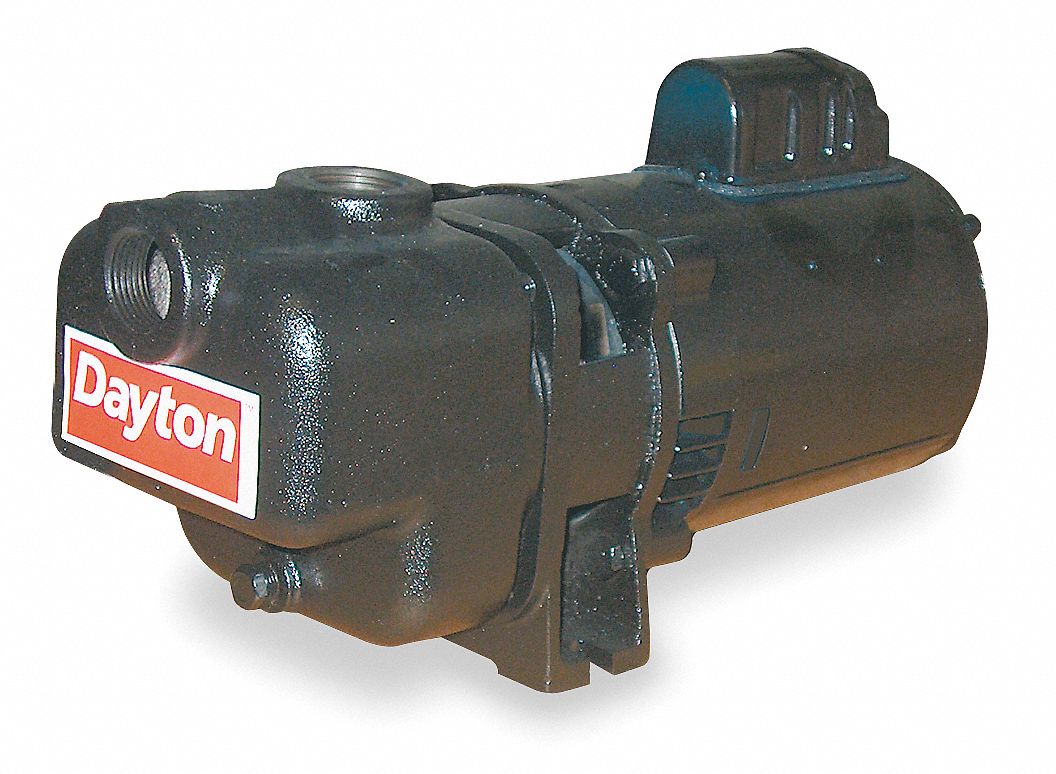
Sprinkler pump variants, such as the Dayton 5UPW8, are optimized for supplying sprinkler heads in lawns and farmland, delivering higher shut-off pressure (up to 75 psi). In areas prone to power fluctuations, three-phase models like the Dayton 5RWG8 provide stable operation for agricultural and commercial irrigation.
How to Select the Right Priming Pump
Follow this seven-step selection process for reliable performance:
- Determine total dynamic head (TDH). Add suction lift (vertical distance) plus all friction losses in the pipe, elbows, and valves — measure in feet or meters.
- Check suction lift. Most self-priming pumps can handle a lift of 20–25 ft. If your source is deeper, consider a shallow-well jet or a submersible pump instead.
- Calculate required flow rate. For irrigation, account for sprinkler flow and area coverage; for dewatering, consider the volume of water to be removed per hour.
- Match motor power and voltage. Verify whether your facility has 230V AC single-phase or 460V AC three-phase power available. Use the appropriate model such as the Dayton 4UA77 or 2ZXT5.
- Choose an enclosure. For dusty outdoor environments, a TEFC (Totally Enclosed Fan-Cooled) motor is essential. ODP (Open Drip-Proof) models are fine for indoor or sheltered installations.
- Verify connection size. The pump intake and discharge must match your existing piping to avoid flow restriction — 1.5 in, 2 in, or 2.5 in are common.
- Check for seals and strainers. Ensure a strainer/foot valve is included or installed to protect the pump from debris.
Product Comparison
Below are prime options from our stock of 63 pumping products.
| Model | Power | Max Head | Connections | Voltage | Enclosure |
|---|---|---|---|---|---|
| Dayton 4UA77 Self-Priming Centrifugal Pump | 1.5 – 3 HP | 72 ft (21.9 m) | 2 in (DN50) | 208-230/460V AC | ODP |
| Dayton 2ZXT5 Self-Priming Centrifugal Pump | 1.5 – 3 HP | 63 ft (19.2 m) | 1.5 in (DN40) | 115/230V AC | TEFC |
| Dayton 4UA71 High-Head Self-Priming Pump | 1.5 – 3 HP | 96 ft (29.3 m) | 1.5 in (DN40) | 115/208-230V AC | ODP |
| Goulds 30SPM20 Self-Priming Pump | 1.5 – 3 HP | 92.4 ft (28.2 m) | 2.5 in (DN65) | 115/230V AC | TEFC |
| Dayton 5UPW8 Sprinkler Pump | 2 HP | 58 psi (4.0 bar) shut-off | 2 in (DN50) | 208-230/460V AC | TEFC |
According to GOULDS WATER TECHNOLOGY, Self-Priming Pump Installation Manual, 2021: "A self-priming centrifugal pump must be initially primed with liquid, and the suction pipe must be completely airtight; otherwise the pump will lose prime and run dry."
Why Buy from 3G Electric?
3G Electric is a Philippine industrial solutions provider with more than 35 years of experience interpreting customer demand and supplying the correct equipment. We stock 63+ products in the pumping category alone, backed by deep specialist expertise in pumps and controls. From the initial sizing call to after-sales technical support, our team ensures you receive the right Dayton, Goulds, or Flint & Walling priming pump for your site's conditions — with prompt delivery across all Philippine regions.
Frequently Asked Questions
Where can I buy a priming pump in the Philippines?
You can order priming pumps from 3G Electric. We supply genuine Dayton, GOULDS WATER TECHNOLOGY, and FLINT & WALLING pumps with delivery across the Philippines. Call us for a quote and technical advice.
What is a priming pump used for?
A priming pump is used to move water from a level below the pump. Common uses include irrigation, dewatering construction sites, transferring water from tanks, and supplying sprinkler systems.
How do I choose between a centrifugal pump and a self-priming pump?
If your water source is always above the pump, a standard centrifugal pump works. If you are drawing from a lower level (suction lift), choose a self-priming pump like the Goulds 30SPM20 for reliable restart even with trapped air.
How high can a self-priming pump draw water?
Most self-priming centrifugal pumps can lift water up to approximately 25 feet (7.6 meters) of suction lift when installed in good condition. Beyond that, you might need a deep-well jet pump or submersible pump.
Why does my priming pump lose its prime?
Common causes include air leaks in the suction line, a failing foot valve, a broken gasket, or debris in the impeller. Always inspect the suction piping and replace worn seals to restore priming.
Key Takeaways
- Priming pumps (self-priming centrifugal) are the best choice for suction-lift applications like ponds, tanks, and shallow wells in the Philippines.
- Match motor power (1.5–3 HP), voltage (230V/460V AC), and head (50–96 ft) to your system requirements.
- Choose TEFC motors for dusty or outdoor environments; ODP models suit cleaner, sheltered installations.
- 3G Electric provides genuine Dayton, Goulds Water Technology, and Flint & Walling pumps with expert sizing support.
Ready to source a priming pump for your site? Contact 3G Electric today for price quotes, sizing assistance, and technical support. We'll help you get the right solution delivered to your location.