
Regulator Gas Buyer's Guide for Philippine Industry | 3G Electric
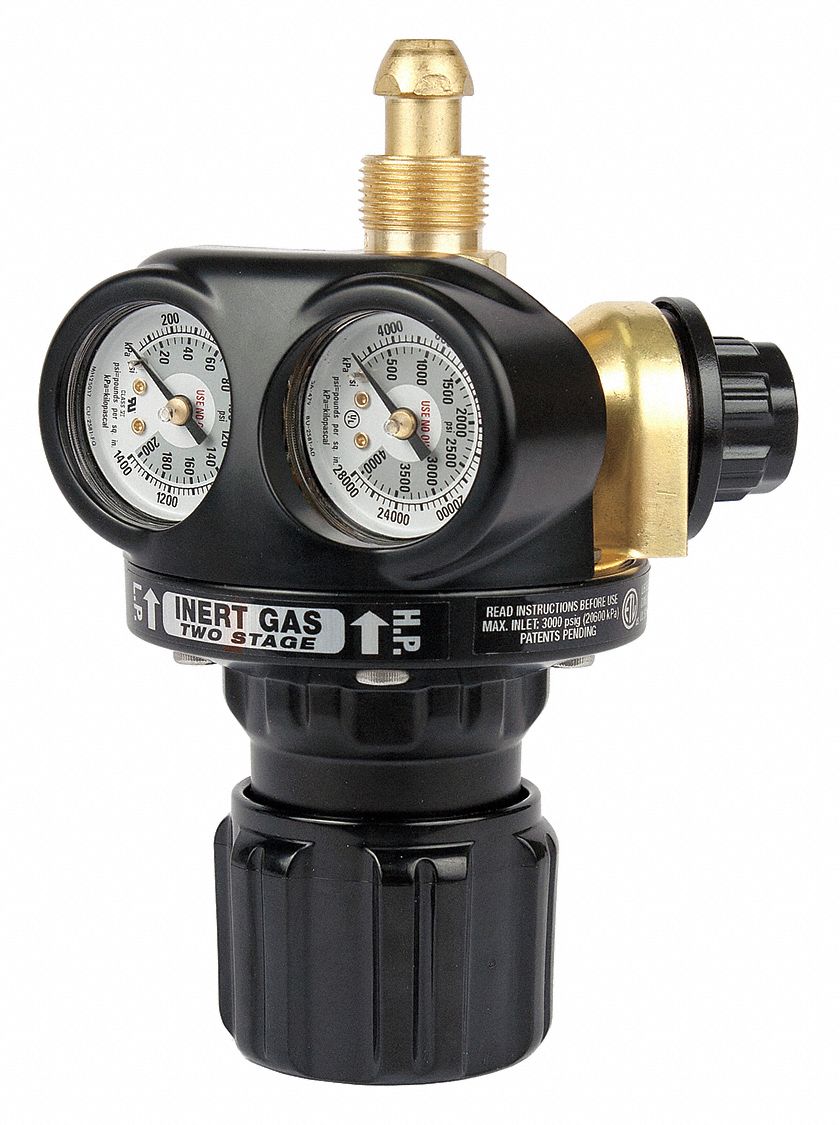
Table of Contentsexpand_more
What Is a Regulator Gas Device?
A gas regulator is a mechanical device that reduces high-pressure gas from a cylinder to a safe, consistent working pressure for downstream equipment. In the Philippines, regulator gas components are essential for industries such as welding, metal fabrication, HVAC, and chemical processing. Leading brands available include SMITH EQUIPMENT, VICTOR, and HARRIS, each offering rugged designs built to withstand tropical operating conditions. 3G Electric has supplied regulator gas solutions across the archipelago for over 35 years, combining product breadth with specialist depth in combustion and fluid controls.
How a Gas Regulator Works
Inside a pressure regulator, a spring-loaded diaphragm senses outlet pressure. When outlet pressure falls below the setpoint, the diaphragm opens a valve to admit more gas from the high-pressure cylinder and rises to close it. Single-stage regulators perform this action in one step; outlet pressure may drift as cylinder pressure drops. Two-stage regulators use an intermediate chamber to stabilize output across a wide range of inlet pressures, delivering consistent flow for precision applications like laser cutting or laboratory gas analysis. All regulators require a Compressed Gas Association (CGA) connection to mount securely on the cylinder valve – always verify the CGA number before purchase.
Key Specifications (Example Values)
| Parameter | Typical Range / Unit |
|---|---|
| Inlet Connection (CGA) | CGA 300, CGA 320, CGA 540, CGA 580 |
| Outlet Connection Thread | 5/8"-18 F RH, 7/8"-14 M LH, 9/16"-18 M LH, 3/8"-24 M RH |
| Max Outlet Pressure | 15 psig, 50 psig, 60 psig, 150 psig, 200 psig |
| Diaphragm Material | Neoprene, Stainless Steel |
| Body Material | Brass, 316L Stainless Steel |
| Flow Capacity (typical) | 30–100 SCFH (depending on model) |
Types of Gas Regulators & Philippine Applications
Regulators are categorized by gas service:
- Air and Inert Gas Regulators – used for compressed air systems, nitrogen, argon, and helium. Found in manufacturing plants and food packaging lines. SMITH EQUIPMENT 30-150-320 is a single-stage unit delivering 150 psig.
- Fuel Gas Regulators – for acetylene, propane, and natural gas. Typical in welding and cutting shops. HARRIS 447-50-CL handles acetylene with a CGA 025 inlet and 50 psig outlet.
- Oxygen Regulators – used for medical oxygen, oxy-fuel cutting, and HVAC brazing. The UNIWELD RSO offers a CGA 540 inlet and 60 psig output.
- Corrosive & Ultra-Pure Gas Regulators – for process gases in semiconductor or pharmaceutical industries. The BELLOFRAM 62SS features 316L stainless steel and a relieving vent.
How to Select the Right Regulator Gas Unit (7 Criteria)
- Identify the gas type – oxygen, acetylene, inert, or compressed air. Each may require specific CGA connections and material compatibility (e.g., brass for acetylene).
- Check the cylinder valve connection – match the CGA number (e.g., CGA 540 for oxygen, CGA 300 for acetylene). Wrong connection is a safety hazard.
- Determine required outlet pressure range – welding tasks typically need 15–60 psig; industrial processes may need up to 200 psig.
- Assess flow demand – verify the regulator's flow capacity (SCFH) matches the consumption of downstream tools.
- Choose single- or two-stage regulation – single-stage for intermittent use (lower cost); two-stage for constant pressure precision (e.g., analytical instruments).
- Consider diaphragm material – Neoprene works for most industrial gases; stainless steel is needed for corrosive or high-purity applications.
- Account for environment – high humidity in the Philippines can cause corrosion; select stainless steel or protected regulators for outdoor or marine exposure.
Product Comparison: Popular Models at 3G Electric
| Model | Inlet Connection | Outlet Connection | Max Outlet Pressure | Diaphragm Material |
|---|---|---|---|---|
| SMITH EQUIPMENT 30-150-320 | CGA 320 | 5/8"-18 F RH | 150 psig | Neoprene |
| VICTOR 0781-5257 | CGA 580 | 7/8"-14 M LH | 200 psig | Stainless Steel |
| UNIWELD RSO | CGA 540 | 3/8"-24 M RH | 60 psig | Neoprene |
| HARRIS 447-50-CL | CGA 025 | 9/16"-18 M LH | 50 psig | Neoprene |
| SMITH EQUIPMENT 40-15-300S | CGA 300 | 9/16"-18 M LH | 15 psig | Stainless Steel |
Why Source Your Regulator Gas from 3G Electric
With over 117 regulator gas products in stock, 3G Electric delivers broad availability across 14 industrial departments. Our specialists in combustion, pumps, and controls provide technical support for every purchase – from selecting the correct CGA connection to sizing for flow. We supply genuine SMITH EQUIPMENT, VICTOR, HARRIS, UNIWELD, and BELLOFRAM regulators with fast delivery across Metro Manila and provincial industrial zones. Every order is backed by accurate product data and responsive after-sales service.
Frequently Asked Questions
1. Where can I buy regulator gas products in the Philippines?
3G Electric stocks a wide range from SMITH EQUIPMENT, VICTOR, HARRIS, and others. Visit our website or contact our sales team for pricing and delivery.
2. How do I choose between single-stage and two-stage?
Single-stage is adequate for light-duty, intermittent use (e.g., occasional welding). Two-stage provides stable outlet pressure regardless of cylinder depletion – best for precision tasks or continuous operation.
3. What does CGA connection mean?
CGA stands for Compressed Gas Association. Each gas type has a unique CGA number that ensures the regulator only fits the correct cylinder valve (e.g., CGA 540 for oxygen, CGA 300 for acetylene). Never use an adapter.
4. Can I use an oxygen regulator for acetylene?
No. Oxygen regulators have right-hand threads (RH), while fuel gas regulators have left-hand threads (LH). Cross-using can cause leaks or dangerous mixing. Always use the regulator designed for your gas.
5. What is the typical lifespan of a gas regulator?
With proper maintenance (inspect diaphragm, check for leaks), a quality regulator can last 5–10 years. Replace if outlet pressure drifts or if the gauge shows damage.
6. Do you offer sizing assistance for compressed air systems?
Yes. Our technical team can help calculate flow requirements and recommend the right regulator body size (e.g., 1/4" NPT, 1/2" NPT, 1" NPT). Contact 3G Electric for a consultation.
Key Takeaways
- Always match the CGA connection to your cylinder valve – safety first.
- Two-stage regulators deliver constant pressure; single-stage is more economical for intermittent use.
- Diaphragm material matters: neoprene for general use, stainless steel for corrosive/purity applications.
- 3G Electric offers 117+ regulator gas models with expert support for Philippine industries.
Ready to source your regulator gas products? Contact 3G Electric today for quotes, technical recommendations, and fast delivery in the Philippines.


