LPG Gas Regulator Buyer's Guide: Selection, Specs & Philippines Suppliers
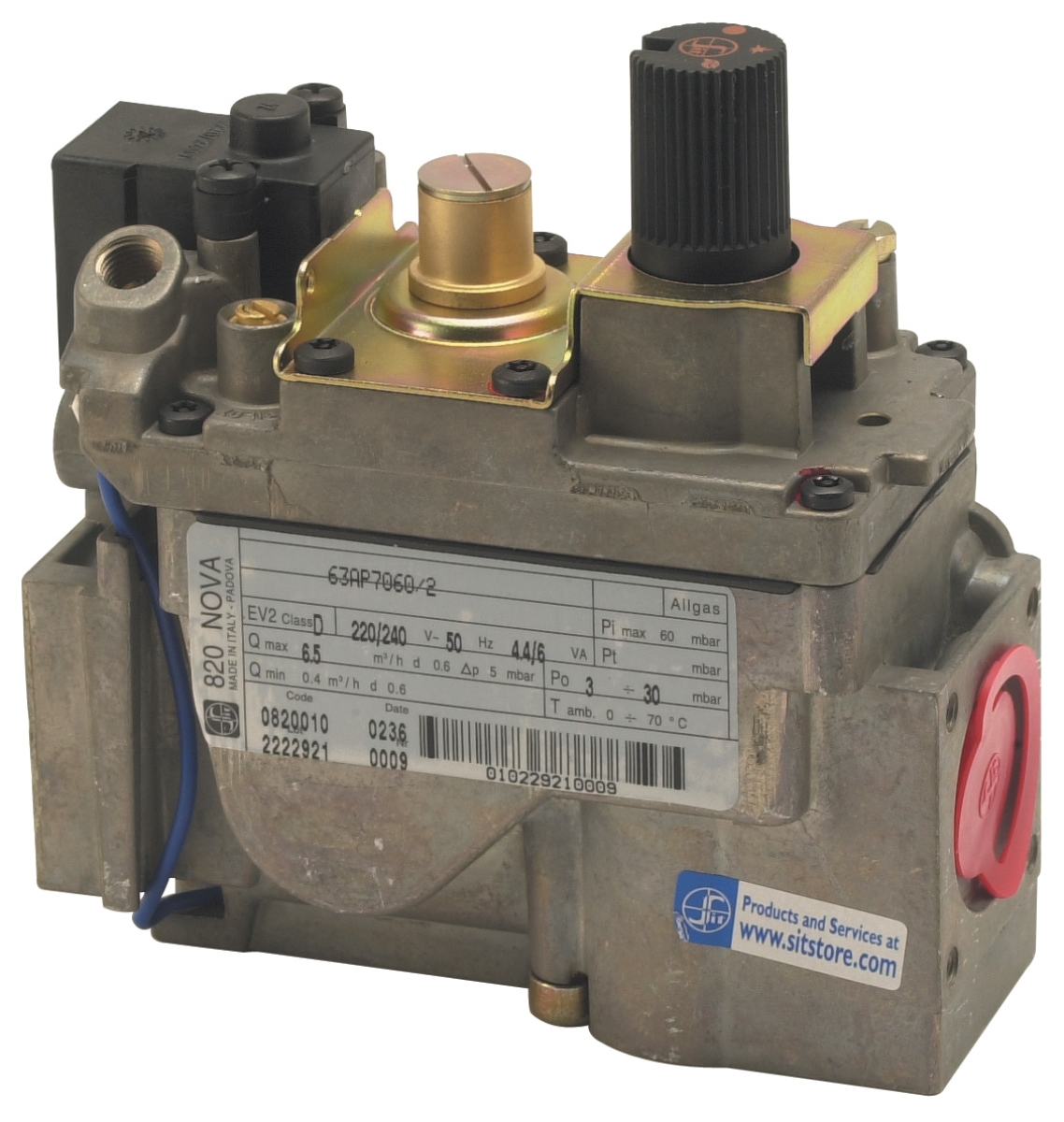
Table of Contentsexpand_more
What Is an LPG Gas Regulator?
An LPG gas regulator is a precision control device that reduces the high pressure inside a liquefied petroleum gas (LPG) cylinder—typically 5–10 bar—to lower, stable pressures required by household and industrial appliances: 20–50 mbar for domestic cookers, or 0.3–1.5 bar for large heating systems. Leading OEM brands like SIT, Elektrogas, Dungs, and Pactrol design regulators with integral safety features: overpressure relief valves, pressure switches, and shut-off capability. 3G Electric has supplied regulators to manufacturing, hospitality, and residential sectors across the Philippines for over 35 years, with authorized distributor status for all major brands.
How LPG Gas Regulators Work
Regulators employ a spring-loaded diaphragm mechanism. Gas enters at high inlet pressure; downstream demand (appliance consumption) reduces outlet pressure, which pushes the diaphragm upward against a spring, gradually closing an internal seat to maintain constant outlet pressure. This self-regulating action occurs automatically—no electricity required in most models. Two-stage designs add a second regulation stage for superior pressure stability across varying flow rates. Safety interlocks, such as the [[PRODUCT:GAZ15022|Dungs Pressure switch LGW 3 A2 0.4–3 Mbar]], monitor downstream pressure and trigger alarms if faults occur, protecting equipment and personnel.
LPG Regulator Specifications & Comparison
| Parameter | Typical Range / Example | Notes |
|---|---|---|
| Inlet Pressure | 5–10 bar | From LPG cylinder; 10 bar maximum safe limit |
| Outlet Pressure (Stage 1) | 1.5–3 bar | Intermediate pressure; further reduced in two-stage systems |
| Outlet Pressure (Stage 2) | 20–50 mbar | Final pressure to burners; domestic cookers typically 28 mbar |
| Connection Size | DN 1/2" to DN 2" | 1/2" (12 mm) most common for domestic; 2" for large industrial |
| Flow Capacity | 0.5–50 kg/h | Matched to burner load; oversizing causes instability |
| Temperature Range | −20 °C to +60 °C | LPG regulators typically rated to 60 °C ambient |
| Relief Valve Setting | 1.3–1.5 bar (Stage 1) | Protects against overpressure; opens if pressure exceeds setpoint |
Types & Applications in the Philippines Market
Single-Stage Regulators reduce cylinder pressure in one step, suitable for low-demand applications (domestic cooking, small heaters up to 5 kW). [[PRODUCT:ELK26106|Elektrogas Regulator TX2 068Z3206]] is a reliable choice for this duty. Two-Stage Regulators employ primary and secondary stages, ideal for larger installations (boilers, industrial burners, 10–50 kW) where pressure stability is critical. [[PRODUCT:PAC44032|Pactrol Microgas P25F FMV 427001/V12]] exemplifies two-stage precision for demanding loads. Proportional / Modulating Regulators, such as [[PRODUCT:ELK46001|Elektrogas Proportional valve LMV21 3/4"]], vary outlet pressure dynamically to match appliance demand, minimizing waste in variable-load processes like industrial ovens or boiler modulation. Safety Blocks, including [[PRODUCT:BLO05157|SIT Gas block Sigma 0845072]], integrate regulator, shut-off, and relief functions in a compact cartridge for retrofit installations.
How to Select the Right LPG Gas Regulator
- Determine inlet pressure: Measure or confirm cylinder/supply pressure. Most LPG cylinders run 5–10 bar; industrial bulk tanks up to 15 bar. Ensure your regulator is rated for the supply pressure.
- Specify outlet pressure: Domestic cookers need 28 mbar; commercial boilers and larger burners typically 300–500 mbar (0.3–0.5 bar). Consult your appliance manual or manufacturer for the exact setpoint.
- Calculate flow requirement (kg/h): Divide appliance power (kW) by 46 (approximate calorific value of LPG). Example: 20 kW burner ÷ 46 ≈ 0.43 kg/h. Choose a regulator rated ≥ 0.5 kg/h. Oversizing (e.g., 50 kg/h regulator for 0.5 kg/h load) causes hunting (pressure oscillation) and instability.
- Select connection size: Match pipe diameter to flow rate and pressure drop tolerance. 1/2" (DN15) for domestic; 3/4" (DN20) for commercial kitchens; 1" (DN25) or larger for industrial. The [[PRODUCT:ELK46001|Elektrogas LMV21 3/4"]] suits mid-range commercial duty.
- Verify safety certifications: European (CE/PED), Australian (AS/NZS 3814), or local PESO certification required for Philippines installations. All 3G Electric stock carries required certificates.
- Check temperature environment: Most regulators function −20 °C to +60 °C. If installed near boiler exhaust or in tropical high-heat zones, request a high-temperature variant.
- Plan for pressure monitoring: Pair your regulator with a [[PRODUCT:GAZ15022|Dungs Pressure switch LGW 3 A2]] to monitor outlet pressure and trigger shutdown if the regulator fails.
Product Comparison Table
| Model | Type | Inlet / Outlet Pressure | Connection | Flow Capacity | Primary Application |
|---|---|---|---|---|---|
| [[PRODUCT:BLO05157|SIT Gas block Sigma 0845072]] | Integrated Safety Block | 5–10 bar / 20–50 mbar | 1/2"–3/4" | 0.5–2 kg/h | Domestic retrofit; compact space |
| [[PRODUCT:ELK26106|Elektrogas Regulator TX2 068Z3206]] | Single-Stage | 5–10 bar / 300 mbar | 3/8"–1/2" | 0.3–1.5 kg/h | Small heating appliances, residential |
| [[PRODUCT:ELK46001|Elektrogas Proportional valve LMV21 3/4"]] | Modulating / Proportional | 3–6 bar inlet / variable outlet | 3/4" | 2–10 kg/h | Boiler modulation, industrial burner control |
| [[PRODUCT:PAC44032|Pactrol Microgas P25F FMV 427001/V12]] | Two-Stage Precision | 5–10 bar / 50–500 mbar | 1/2"–3/4" | 1–5 kg/h | Commercial kitchens, restaurant kitchens |
| [[PRODUCT:GAZ15022|Dungs Pressure switch LGW 3 A2 0.4–3 Mbar]] | Safety Monitoring | 0.4–3 mbar range | Inline tapping | − | Pressure supervision; fault detection |
| [[PRODUCT:ROB10014|CBM Gas tap 2" padlock]] | Manual Shut-off Valve | Up to 10 bar | 2" BSP | N/A (isolation only) | Bulk tank isolation, emergency shut-off |
Why Buy from 3G Electric?
3G Electric is an authorized distributor for SIT, Elektrogas, Dungs, Pactrol, CBM, and FBR across the Philippines. We stock 8+ regulator and control products with full technical documentation, spare parts availability, and fast delivery to Manila, Cebu, Davao, and provincial areas. Our team provides pressure sizing calculations, installation guidance, and after-sales support in English. All imports include complete compliance paperwork for LPG licensing authorities.
Frequently Asked Questions
- Q: Can I use a single-stage regulator on a 50 kW boiler?
A: No. Single-stage regulators lack the precision for large loads. Use a two-stage (primary + secondary) regulator to maintain stable outlet pressure as flow varies. [[PRODUCT:PAC44032|Pactrol Microgas P25F]] is designed for this duty. - Q: What is the difference between outlet pressure settings (20 mbar vs. 300 mbar)?
A: Domestic cookers use ~28 mbar; large commercial burners require 300–500 mbar. Pressure must match appliance design. Over-pressuring causes roaring flames and safety hazards; under-pressuring causes flame instability and incomplete combustion. - Q: Do I need a pressure relief valve on my regulator?
A: Yes. All regulators include an integral relief valve (overpressure protection) that vents excess pressure if the diaphragm fails. Additionally, install a [[PRODUCT:GAZ15022|Dungs pressure switch]] downstream to detect faults and shut off supply automatically. - Q: How often should an LPG regulator be serviced?
A: Most regulators require inspection every 2 years and replacement every 5–10 years, depending on duty cycle and gas quality. Moisture or contaminants in LPG can clog internal seats; regular filter maintenance (upstream) extends regulator life.
Key Takeaways
- LPG regulators reduce cylinder pressure (5–10 bar) to safe appliance pressures (20–500 mbar). Sizing by outlet pressure, flow rate, and connection diameter is essential.
- Single-stage suits small loads (<5 kW); two-stage for larger systems (10–50 kW). Proportional regulators optimize modulating burners and boilers.
- Always pair a regulator with a pressure switch and relief valve for safety. Follow local PESO/LPG authority codes for Philippines installations.
- 3G Electric stocks SIT, Elektrogas, Dungs, and Pactrol models with technical support, fast delivery, and full compliance documentation.
Get Your LPG Regulator Quote Today
Contact 3G Electric for pressure sizing, product selection, and pricing. Our team is ready to support your LPG installation from quote to commissioning. Phone, email, or visit our office in Manila. Fast delivery across the Philippines.