
HVAC/R Meaning: A Philippines Buyer’s Guide to Controls and Valves
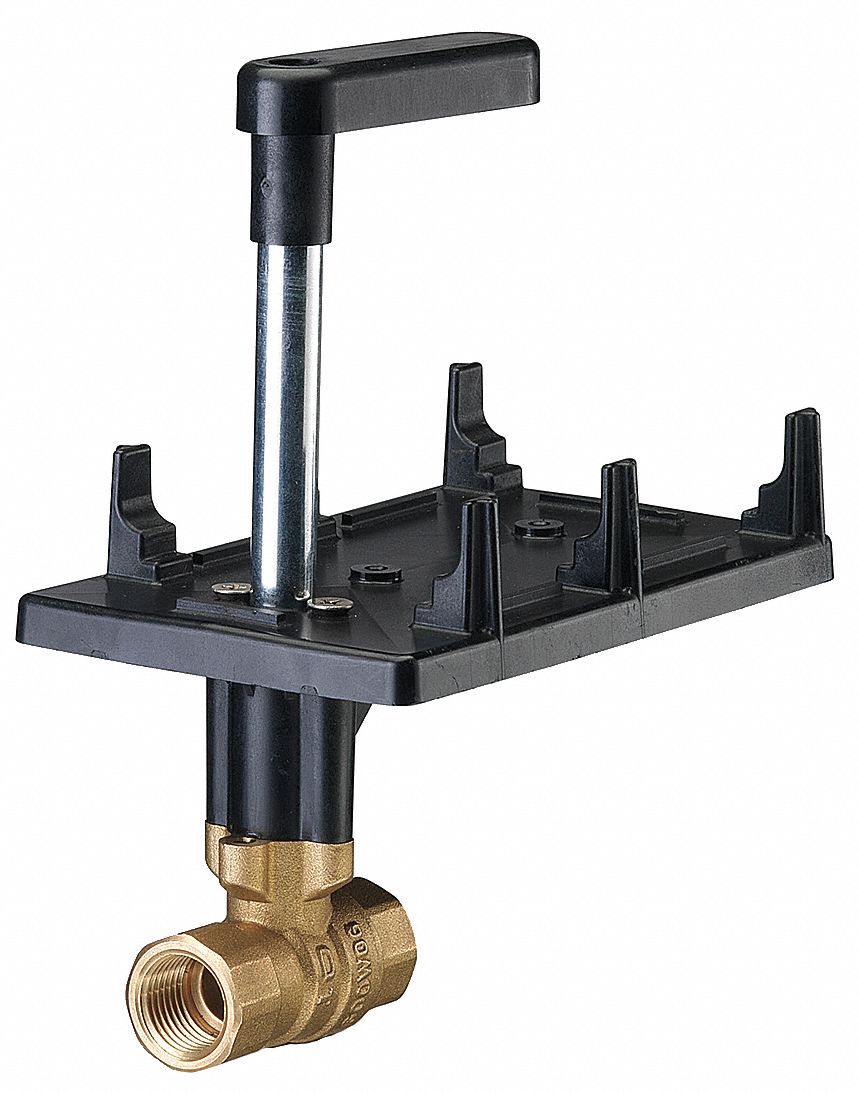
Table of Contentsexpand_more
HVAC/R Meaning: A Philippines Buyer’s Guide to Controls and Valves
HVAC/R meaning is straightforward: Heating, Ventilation, Air Conditioning, and Refrigeration. The “R” distinguishes refrigeration from traditional HVAC, covering cold rooms, chillers, freezers, and transport refrigeration. For Philippine facilities—from Makati office towers to cold storage in Batangas—HVAC/R includes chilled-water systems, packaged air handling units (AHUs), and refrigeration racks that control both comfort and product integrity. At 3G Electric, we have sourced and supplied HVAC/R components for more than 35 years, including HVAC brand control valves, so we know how to match the right valve to your hydronic or refrigeration circuit.
How HVAC/R Systems Work
All HVAC/R systems condition air or fluid using the same basic principles. A refrigeration cycle removes heat via evaporation and condensation, while hydronic systems move chilled water or steam through piping to distribute heating or cooling. In larger buildings, a central plant generates chilled water, and terminal units—fan coils, AHUs, or radiant panels—deliver conditioned air. Control valves regulate flow to match load, prevent coil freeze damage, and maintain setpoint.
Two-way valves throttle flow; three-way valves mix return and supply water or divert water between coils to maintain constant system flow. Valve selection affects energy use, pump performance, and room comfort. The HVAC brand valve lineup uses a stainless steel ball and brass body for corrosion resistance in water, water-glycol, and steam service.
Key Specifications for HVAC/R Control Valves
| Specification | Typical Range |
|---|---|
| End connection | 1/2 in sweat to 3 in flanged |
| Valve style | 2-way or 3-way (mixing/diverting) |
| Flow coefficient (Cv) | 1.0 to 116 Cv |
| Bypass Cv (3-way) | 1.2 to 74 Cv |
| Close-off rating | 50 psi to 200 psi |
| Media compatibility | Water, water-glycol up to 50%, steam |
| Body / ball material | Brass body / stainless steel ball |
According to HVAC VG1000 Series Product Data, 2022: “The close-off rating is the maximum differential pressure against which the valve actuator can close the valve completely at the rated control voltage.”
Types and Applications in the Philippines
Choose a valve that matches your pipe type and system function.
- 2-way ball valves – For variable-flow systems in chillers, AHUs, and fan-coil units. Example: HVAC 2-Way NPT Ball Valve for Water-Glycol with 1 in female NPT, 63 Cv, and 200 psi close-off.
- 3-way ball valves – For constant-flow hydronic systems where mixing or diverting is required, like primary/secondary chilled-water loops. Example: HVAC 3-Way NPT Mixing Ball Valve with 1 in NPT, 11.7 Cv, and 200 psi close-off.
- Sweat connection valves – For copper piping, brazed into the line, common in split-type fan-coil units. Examples: HVAC 2-Way Sweat Valve for Steam and HVAC 3-Way Sweat Valve for Water.
- Flanged valves – For large chilled-water mains and steam mains in central plants. Examples: HVAC 3-Way Flanged Valve for Water-Glycol and HVAC 3-Way Flanged Valve for Steam.
How to Select the Right HVAC/R Control Valve
- Define the media. Use water for most hydronic systems, water-glycol up to 50% for freeze protection, or steam for heating coils. Confirm that brass bodies and stainless steel balls are compatible with the fluid.
- Calculate required Cv. For water, Cv = flow in US GPM ÷ √(pressure drop in psi). For 3-way valves, also check bypass Cv to avoid misbalancing the loop.
- Size the connection. Match the valve end to your piping: sweat for copper tube, female NPT for threaded steel or PVC, and flanged for 2-1/2 in to 3 in mains.
- Choose 2-way or 3-way. A 2-way valve gives variable flow and saves pump energy; a 3-way valve maintains constant flow and is ideal for chiller or boiler primary loops.
- Verify close-off rating. The valve close-off must exceed the maximum differential pressure at the closed position. For high-pressure steam, select a 200 psi close-off valve such as the HVAC 2-Way Sweat Valve for Steam.
- Plan for the actuator. Most HVAC valve bodies ship without an actuator. Match the actuator stroke, torque, and control signal (24 VAC/VDC, 0–10 VDC, or 4–20 mA) to the valve stem and close-off rating.
Product Comparison: HVAC Control Valves at 3G Electric
| Model | Type / Connection | Cv | Bypass Cv | Close-off | Media |
|---|---|---|---|---|---|
| HVAC 2-Way NPT Ball Valve | 2-way, 1 in female NPT | 63 Cv | — | 200 psi | Water-glycol up to 50% |
| HVAC 3-Way NPT Ball Valve | 3-way, 1 in female NPT | 11.7 Cv | 7.4 Cv | 200 psi | Water |
| HVAC 2-Way Sweat Valve | 2-way, 1 in sweat | 7.4 Cv | — | 200 psi | Steam |
| HVAC 3-Way Sweat Valve | 3-way, 1/2 in sweat | 11.7 Cv | 5.8 Cv | 200 psi | Water |
| HVAC 3-Way Flanged Valve | 3-way, 3 in flanged | 116 Cv | 74 Cv | 50 psi | Water-glycol up to 50% |
Why Source HVAC/R Controls from 3G Electric
3G Electric has served Philippine industrial and commercial customers for over 35 years. We stock 128+ products across machining, pumps, controls, refrigeration, and HVAC/R, so you can source multiple components in one order. Our technical specialists help you interpret specifications, size valves, and select actuators. We deliver throughout Metro Manila, Luzon, Visayas, and Mindanao.
- Supplier relationships with brands such as HVAC, Schneider, ABB, Siemens, and Festo.
- Engineer-backed sizing and application support.
- Genuine products with clear part numbers and datasheets.
FAQs
What does HVAC/R stand for? HVAC/R stands for Heating, Ventilation, Air Conditioning, and Refrigeration. It covers comfort heating and cooling, ventilation, cold storage, and process refrigeration, including chillers, freezers, and transport cooling systems.
What is a 3-way HVAC/R valve used for? A 3-way valve mixes or diverts water or steam in hydronic systems. In a chilled-water plant, it maintains constant flow through the chiller while varying flow to the coil, which protects equipment and improves temperature control.
How can I select an HVAC/R control valve in the Philippines? Match the valve to your system media, required Cv, connection size, and close-off rating. Use the manufacturer’s Cv tables or contact 3G Electric for a quick sizing recommendation based on your flow and pressure drop.
Where can I buy HVAC/R control valves in the Philippines? 3G Electric supplies genuine HVAC control valves from stock, with nationwide delivery and technical support for selection and installation. Request a quote through our website or by phone.
What is the difference between 2-way and 3-way valves? A 2-way valve varies flow and saves pump energy; a 3-way valve provides constant flow by mixing or diverting. Use 3-way valves in primary loops or systems without variable-speed drives.
Key Takeaways
- HVAC/R includes heating, ventilation, air conditioning, and refrigeration—with refrigeration being critical in Philippine cold-chain and food-processing facilities.
- For hydronic systems, match valve Cv, close-off rating, end connection, and actuator to the media type and pressure.
- Choose 3-way valves for constant-flow mixing or diverting and 2-way valves for variable-flow energy savings.
- 3G Electric offers in-stock HVAC control valves from 1/2 in sweat to 3 in flanged, plus technical support and Philippine-wide delivery.
Need help specifying an HVAC/R control valve? Contact 3G Electric today for quotes, sizing assistance, or actuator matching—we supply and support what you install.


