
Fuel Hose Buyer's Guide for the Philippines | How to Select the Right Hose
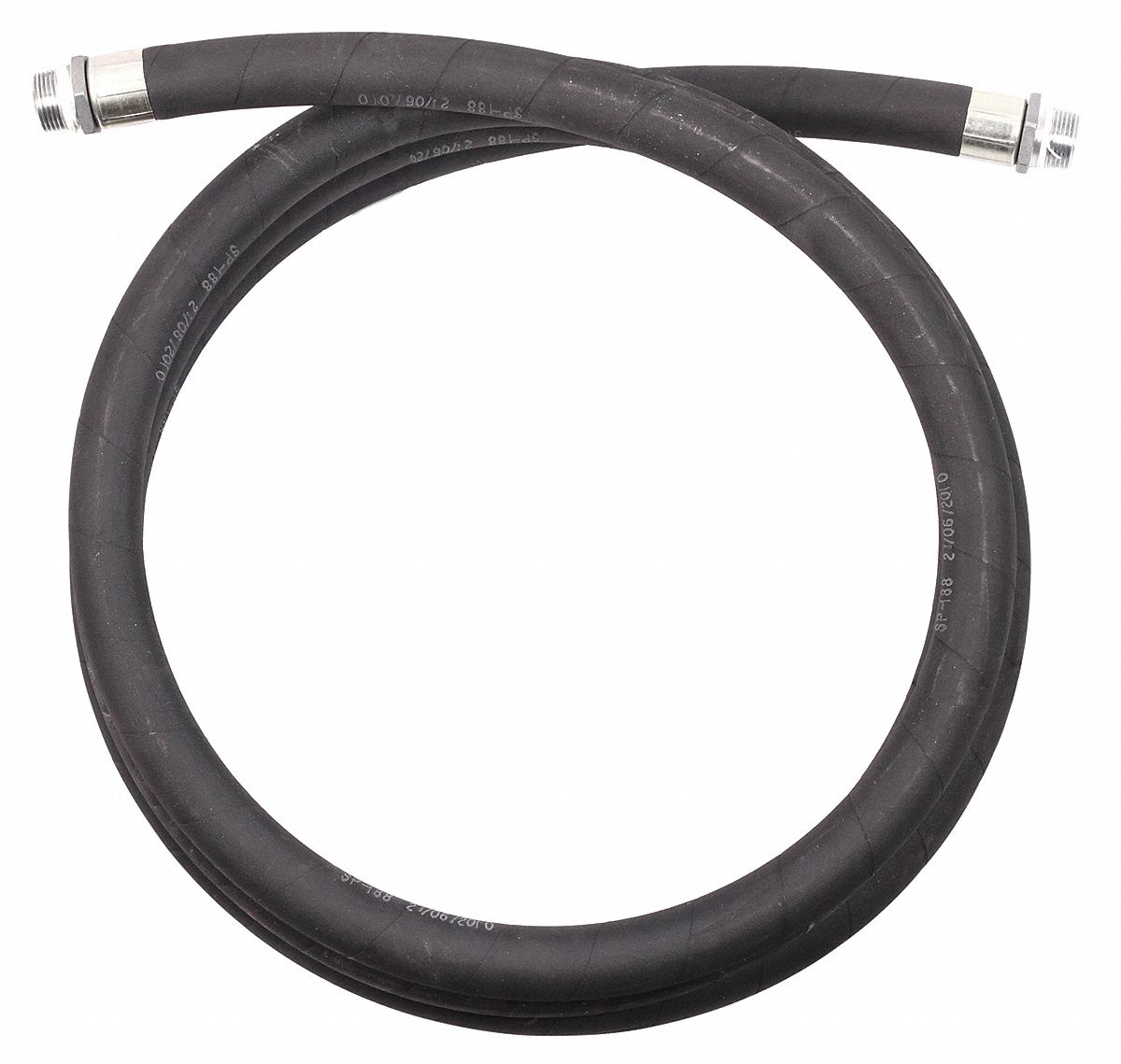
Table of Contentsexpand_more
What Is a Fuel Hose?
A fuel hose is a flexible conduit designed to convey petroleum-based and ethanol-blended fuels between storage, pumps, and engines. Unlike general-purpose hoses, fuel hoses are built with chemically resistant materials—typically a nitrile tube and a neoprene or rubber cover—to prevent swelling, cracking, or permeation. In the Philippines' industrial, marine, and agricultural sectors, fuel hoses are essential for diesel dispensing, gasoline transfer, and engine fuel lines. Brands such as GATES, FILL-RITE, DAYCO, and THERMOID dominate this category, offering hoses that meet strict SAE standards for safety and durability. At 3G Electric, we supply over 21 fuel hose products and provide technical support to ensure you select the correct hose for your application.
How Fuel Hoses Work
Fuel hoses consist of three layers:
- Tube: Innermost layer, made of nitrile (NBR) or other fuel-resistant elastomer that contacts the fuel.
- Reinforcement: Textile braid or wire braid (for higher pressure) provides burst strength and flexibility.
- Cover: Outer layer, usually neoprene or synthetic rubber, protects against abrasion, weather, and fuel splash.
Key Specifications at a Glance
| Specification | Typical Range |
|---|---|
| Inside Diameter | 3/16 in to 3/4 in |
| Length | 12 ft to 50 ft |
| Tube Material | Nitrile (NBR) |
| Cover Material | Neoprene / Rubber |
| Temperature Rating | -40°F to 257°F |
| SAE Standard | J30R6, J1527 |
| Fittings | Brass, Zinc, or None |
Types & Applications
- Discharge Hoses for Fuel Transfer Pumps (e.g., FILL-RITE and Dayton): Designed for the outlet side of pumps handling diesel, gasoline, or kerosene. Typically feature brass or zinc fittings and thicker covers for abrasion resistance. Common in fuel depots and mobile fueling rigs.
- Fuel Injection & Return Hoses (e.g., DAYCO SAE J1527): Used in marine engines and vehicles where fire resistance and compliance with USCG regulations are required. Suitable for below-deck installations.
- General-Purpose Low-Pressure Fuel Hoses (e.g., GATES, THERMOID SAE J30R6): For engine fuel supply and return lines, carburetor connections, and industrial equipment. Ideal for gasoline, diesel, and up to 10% ethanol blends.
How to Select the Right Fuel Hose (7-step Checklist)
- Identify the fluid. Confirm the fuel type (gasoline, diesel, biodiesel, ethanol blend E10–E85) and any additives. Select a hose with a nitrile tube rated for that fluid.
- Check temperature range. Ambient and fluid temperatures must fall within the hose rating. For hot engine compartments, a hose rated to 257°F (125°C) is typical.
- Determine the required inside diameter. Match the hose ID to the pump outlet or engine fuel line. Larger diameters reduce flow restriction. Common sizes: 1/4 in, 5/16 in, 3/8 in, 1/2 in, 3/4 in.
- Select the correct length. Measure the run distance plus extra for bends and service loops. Available in 12 ft, 20 ft, 25 ft, and 50 ft lengths.
- Verify standard compliance. Use SAE J30R6 for automotive and general industrial; SAE J1527 for marine below-deck applications (fire resistance and permeation limits).
- Consider fitting type. If you need pre-attached fittings, choose a hose with brass or zinc fittings. Many hoses come without ends for custom crimping.
- Assess the operating environment. Outdoor exposure requires UV-resistant covers. High-abrasion areas (e.g., dragging on concrete) benefit from thicker covers or hose wrap.
Product Comparison: Top Fuel Hoses at 3G Electric
| Model | Inside Diameter | Length | Material | Temp. Range | Standard | Best For |
|---|---|---|---|---|---|---|
| FILL-RITE Discharge Hose 3/4 in x 20 ft | 3/4 in | 20 ft | Nitrile tube, Neoprene cover | -40°F to 130°F | – | Fuel transfer pump outlet, diesel/gasoline |
| DAYCO SAE J1527 Fuel Hose 5/16 in x 50 ft | 5/16 in | 50 ft | Nitrile tube | -29°C to 212°F (-20°F to 212°F) | SAE J1527 | Marine engine fuel lines, below-deck |
| GATES SAE J30R6 Fuel Hose 1/2 in x 25 ft | 1/2 in | 25 ft | Nitrile tube | Up to 257°F | SAE J30R6 | Engine fuel supply, industrial equipment |
| THERMOID SAE J30R6 Fuel Hose 3/16 in x 25 ft | 3/16 in | 25 ft | Nitrile tube | Up to 257°F | SAE J30R6 | Low-pressure fuel lines, small engines |
| FILL-RITE UL Discharge Hose 3/4 in x 12 ft | 3/4 in | 12 ft | Nitrile tube, Neoprene cover | -40°F to 180°F | UL Listed | UL-listed pump sets, diesel/gasoline |
Why Source Fuel Hoses from 3G Electric?
- Wide inventory: Over 21 fuel hose products across trusted brands including FILL-RITE, HUSKY, Dayton, DAYCO, GATES, and THERMOID.
- 35+ years of industrial experience: We help Philippine businesses select the correct hose for fuel transfer, marine, and engine applications.
- Technical support: Our team can assist with cross-referencing SAE standards, pressure ratings, and temperature limits.
- Convenient delivery: We ship across the Philippines with fast turnaround for stocked items.
Frequently Asked Questions
- Q: What's the difference between SAE J30R6 and SAE J1527?
A: SAE J30R6 is for general automotive and industrial fuel lines operating at low pressure (up to 50 psi). SAE J1527 is a marine standard requiring higher fire resistance and permeation control for below-deck use. - Q: Can I use a fuel hose for ethanol blends like E85?
A: Yes, if the hose is rated for ethanol. Most nitrile fuel hoses are compatible with blends up to E10. For higher ethanol content, look for hoses explicitly rated for E85 or use FKM-lined hoses. - Q: What size fuel hose do I need for a 1-inch pump outlet?
A: You should use a hose with the same inside diameter as the pump outlet (1 inch). Our FILL-RITE discharge hoses are commonly 3/4 inch, but you can use a reducer if needed. - Q: Where can I buy fuel hose in the Philippines?
A: 3G Electric supplies fuel hoses from brands like FILL-RITE, DAYCO, GATES, and THERMOID. We offer technical assistance and deliver nationwide. - Q: How do I know if a hose is static-dissipative?
A: SAE J30R6 and J1527 hoses typically have conductive components to prevent static buildup. Look for markings or ask our team to verify. - Q: Can I cut a fuel hose to length?
A: Yes, most fuel hoses can be cut with a sharp utility knife. Ensure the cut is clean and use appropriate fittings to secure the connection.
Key Takeaways
- Fuel hoses must match the fuel type, temperature, and pressure of your system.
- SAE J30R6 is suitable for general industrial/auto; SAE J1527 for marine below-deck.
- Inside diameter and length should match your pump outlet or engine line.
- 3G Electric stocks 21+ fuel hose products and provides expert sizing support in the Philippines.
Get a Quote or Technical Help
Need help selecting the right fuel hose for your Philippine application? Contact 3G Electric by phone or email. Our team can recommend the correct diameter, length, and standard, and provide a competitive price on brands like GATES, DAYCO, and FILL-RITE. We deliver across the Philippines.


